Brass is everywhere right now. And not the shiny, overly polished kind from the ’80s that you’d find on a doorknob and immediately regret. This is different, warmer, more layered, and a lot more interesting.
Why Brass Got Its Groove Back?
The short answer: we got tired of chrome. For about a decade, cool-toned finishes, brushed nickel, polished chrome, matte black, ruled every kitchen and bathroom. They looked clean. Sleek. A little soulless, if we’re being honest.
Brass fills a gap that chrome could never quite close. It has warmth. It develops character over time. And when you mix it with other metals, something magical happens, rooms start to look more collected, more intentional, less like a furniture showroom floor sample.
Right now, interior designers are leaning into three specific brass finishes: unlacquered brass, brushed brass, and aged/antique brass. Each does something a little different for a space.
Unlacquered brass is the most daring of the three. It starts golden and shiny, then develops a natural patina over months, darkening in some spots, lightening in others. No two pieces age the same way. If you want your home to feel like it has actual history, this is your finish. It’s especially popular on kitchen faucets and cabinet hardware right now.
Brushed brass is the safe bet (and I mean that as a compliment). It’s muted, non-reflective, and plays nicely with everything from Scandinavian-inspired kitchens to more maximalist, layered spaces. It reads sophisticated without being loud about it.
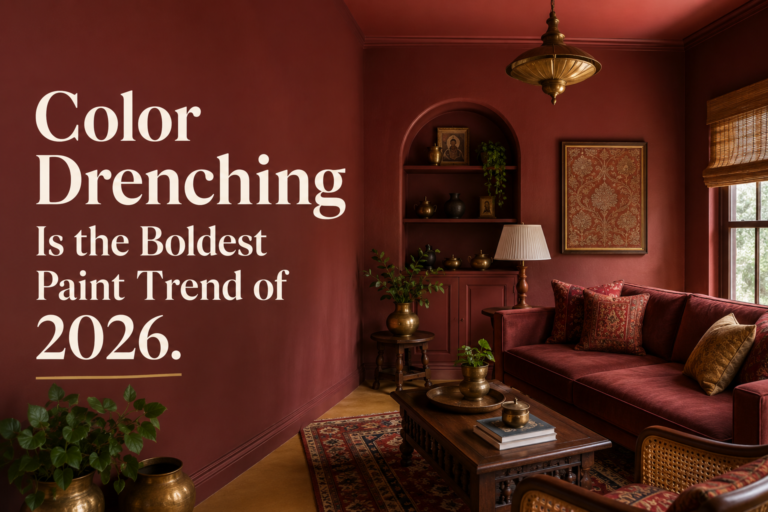
Aged or antique brass leans darker and more amber. It works beautifully in rooms with a lot of wood tones, leather, or deep jewel-colored upholstery. Think a moody home library or a well-worn dining room that feels like it’s been there for generations.
The Case for Mixing Your Metals
designers figured out a while ago that the rest of us are just now catching up to: matching every single metal in a room to one finish looks flat.
The new rule is two metals per room, a primary finish and a secondary finish. You let one anchor the space (usually the bigger fixtures: faucets, cabinet hardware, light fixtures) and bring in the second as an accent (drawer pulls, lamp bases, decorative trays, picture frames).
Brass + matte black is the pairing you’re seeing everywhere in 2026. It’s a strong contrast without being jarring. Brass brings warmth; matte black grounds it.
Brass + bronze works too, especially if you’re going for that warm, organic, layered look. They’re close enough in tone that they blend, but different enough that there’s visual texture.
Where people get into trouble is mixing three or more metals without a clear plan. It can look amazing or chaotic. Until you have a strong eye for it, stick to two.
Where to Start If You Want to Try This Trend
You don’t need to gut your bathroom to get into brass. The easiest entry point: cabinet hardware. Swapping out 10 or 15 pulls and knobs in a kitchen takes maybe two hours and can completely change how the room reads. Brushed brass hardware on white or navy cabinets is a classic combination that’s ageing well right now.
Next step up: light fixtures. A brass pendant over a kitchen island or a brass sconce in a bathroom gives you a lot of visual impact for the price. Look for fixtures with hammered or textured surfaces, those have an almost handmade quality that feels right for 2026’s overall direction toward craftsmanship and warmth.
For the bathroom specifically, the faucet-and-towel-bar swap is a satisfying weekend project. If you go unlacquered brass, just know that water spots and fingerprints will show more than on brushed finishes, but a quick wipe with a dry cloth handles it.
Brass as a Decorative Element (more than Hardware)
Beyond fixtures, brass is showing up in a big way as decorative objects, and this is where you can play.
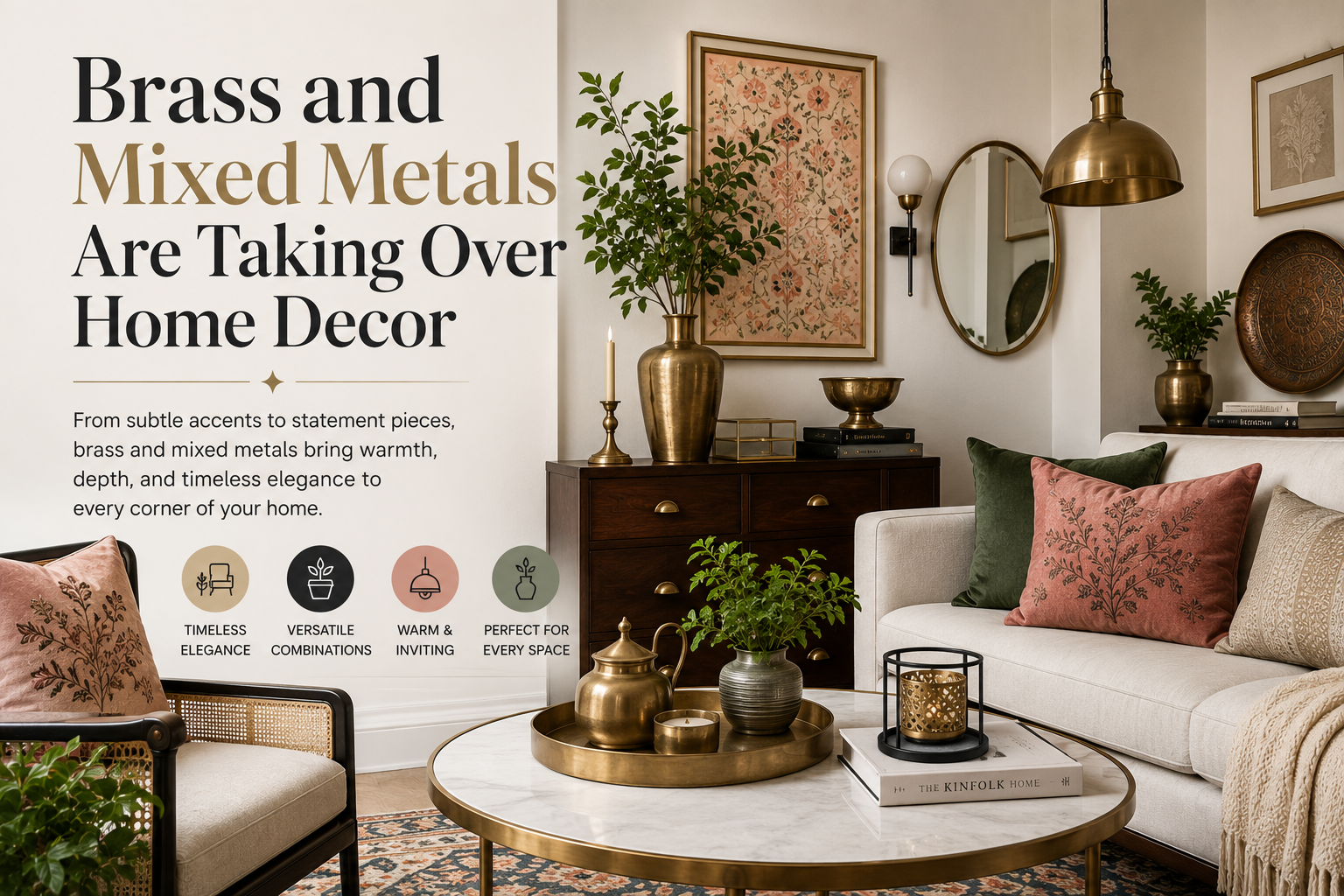
Brass candleholders cluster beautifully on a dining table or fireplace mantel. A tall brass floor vase in a corner adds vertical interest. Brass trays on coffee tables pull together a styling moment and give you a contained surface for remotes, candles, or a small plant.
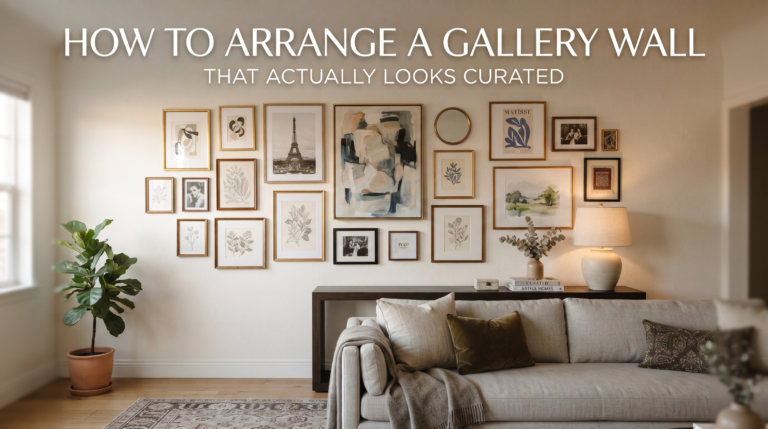
Wall art is another growing category. Hammered brass wall sculptures, sunburst mirrors with brass frames, and brass plate wall arrangements are all trending right now. The sculptural quality of hammered brass means it reflects light differently throughout the day, so the same piece looks slightly different in the morning than it does in the evening.
One thing to keep in mind: brass works best when it’s not fighting with itself. If you have a lot of brass decorative objects, go lighter on the functional brass (hardware, fixtures) or vice versa. The goal is layered warmth, not a room that looks like it belongs in a goblin’s lair.
Brass and Color: What Works Together
The color combinations that pair with brass best right now happen to be exactly the palettes trending in 2026 anyway: earthy neutrals, deep greens, chocolate browns, terracotta, and warm creamy whites.
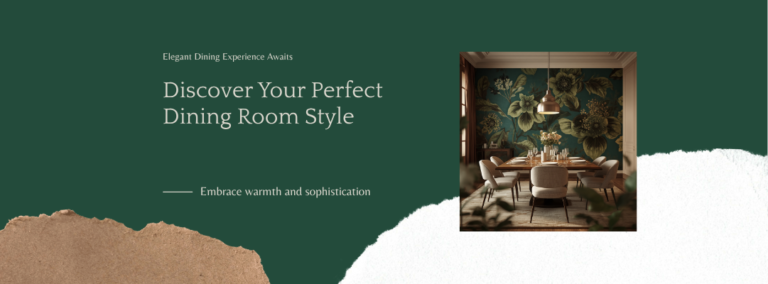
Forest green and brass is probably the combo getting the most traction on social right now. A deep green accent wall with brass picture frames or a brass shelf bracket system looks striking. It feels expensive without being expensive.
Terracotta and brass are a warm-on-warm pairing that sounds like it shouldn’t work but does, especially when you balance it with something neutral like linen, jute, or natural wood.
If your space is more neutral, lots of beige, warm white, soft gray, brass adds the warmth that stops the room from feeling empty. It’s the detail that makes a simple room feel finished.
The Long-Term Case for Investing in Brass
Here’s something worth considering: trends come and go, but unlacquered brass and quality aged finishes improve over time. The patina that develops isn’t a flaw, it’s the point. A brass faucet you install this year will look better in five years than it does today.
That’s a pretty rare quality in a decorating trend. Most things you buy to follow a moment look dated the second the moment passes. Good brass hardware with a natural finish has a permanence to it. It’s the kind of detail that makes a home feel considered rather than assembled in a hurry.
And maybe that’s the broader shift happening in home decor right now, the move away from disposable, trend-chasing interiors toward things that are made to last and meant to be lived with.
Brass fits that perfectly. It always has.
Looking to update more than just hardware? Check out our guide to home decor trends for 2026 and explore our color and paint guides for pairing ideas. For a complete kitchen refresh, see our painted cabinet makeover guide.
Related guides
- Artisanal Ceramics: Decorating With Handmade Clay
- DIY Quilted Wall Art: Materials, Steps and Cost
- Painted Kitchen Cabinets: Colours, Prep and Cost
- Home Lighting Mistakes and How to Fix Them
Browse home decor to shop the pieces mentioned here.