Quick answer: Eco-friendly home decor in India is mostly a cost argument, not an ethics argument. Jute baskets outperform plastic bins on breathability and last longer if kept dry. Glazed ceramic pots outlast plastic planters by 5 to 10 years in Indian outdoor conditions. Cotton storage baskets hold up through multiple years of daily use where synthetic bins discolour and split. The 9 swaps below each make the practical case, more than the environmental one.
The eco-friendly home decor category in India gets marketed two ways: as premium imported items that cost three times the alternative, or as craft-fair specials that fall apart in a season. Neither is what most people need.
The interesting thing is that the materials that happen to be better for the environment, jute, ceramic, cotton, bamboo, tend to perform better than plastic and synthetic alternatives in Indian home conditions. The humidity, the seasonal temperature extremes, the rough handling of daily Indian household life. Knowing that changes the frame from “be a better person” to “buy the thing that works.”
—
The 9 swaps
1. Plastic storage bins in the living room → Woven jute or cotton baskets
Plastic storage bins in the living room crack in North Indian summers. The UV exposure and temperature cycling from 10 degrees in January to 44 degrees in May brittle them within two to three years.
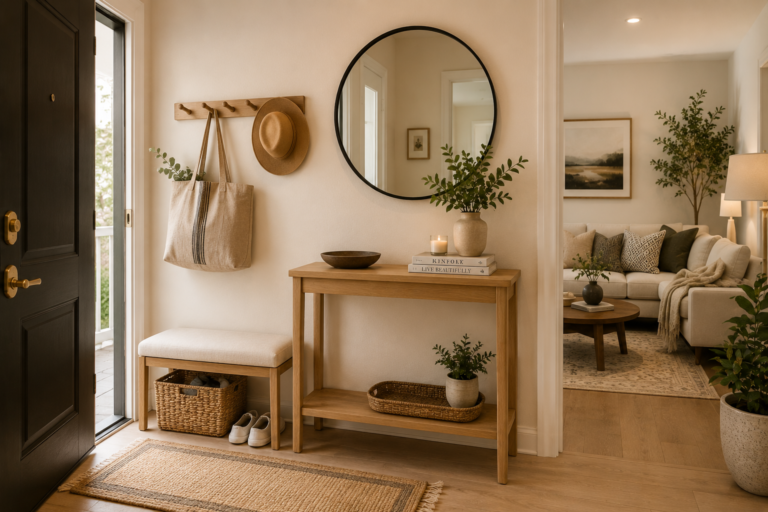
A woven cotton storage basket (Rs 599) handles the same temperature range, softens instead of crackling, and looks intentional rather than functional. It holds blankets, toys, or the accumulated debris of a busy household with equal ease. The handles mean it moves without someone kicking it across the room.
Cost comparison: Decent plastic bin: Rs 400 to 800, lifespan 2 to 3 years outdoors. Cotton basket: Rs 599, lifespan 5 to 8 years with basic care.
2. Plastic nursery pots visible on shelves → Ceramic planters
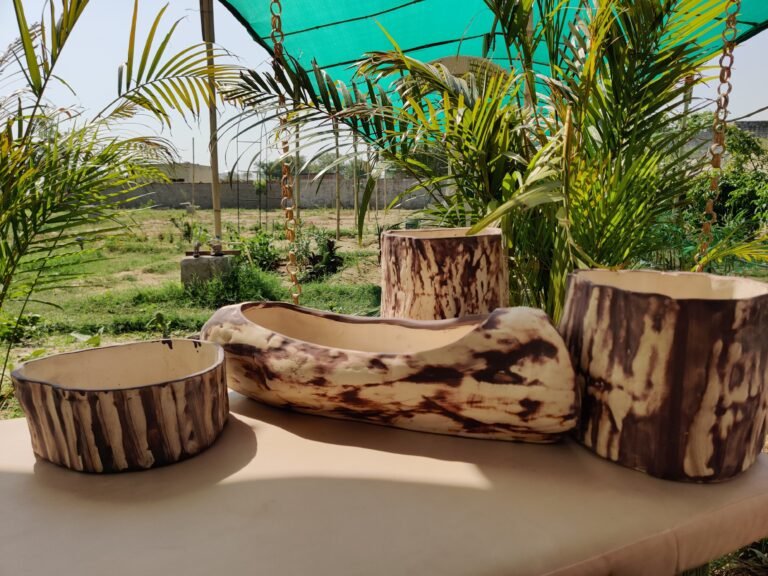
This one requires minimal effort. The plant stays in its plastic nursery pot for drainage and ease of watering. You drop the nursery pot inside a ceramic log planter (Rs 320) or a glazed multicolour pot (Rs 120). Zero repotting.
Ceramic lasts effectively forever indoors. The same glazed pot that sits on your windowsill today will still be there in fifteen years, which no plastic planter can promise.
Cost comparison: Plastic decorative pots: Rs 80 to 200, fade and crack in 3 to 5 years. Glazed ceramic: Rs 120 to 400, no degradation timeline.
3. Synthetic throw pillows → Cotton cushion covers
Polyester cushion covers hold heat in summer and feel cold and stiff in winter. Cotton breathes in both directions, which is why traditional Indian bedding is almost entirely cotton-based.
Swapping covers, not cushions, is the low-cost path. Cotton covers wash cleanly, store flat, and can be changed seasonally without replacing the cushion fill. The environmental part is that polyester takes centuries to decompose; cotton takes months. The practical part is that cotton covers don’t develop the static cling that polyester ones do in dry North Indian winters.
Cost comparison: Polyester cover set: Rs 299 to 600. Cotton cover set: Rs 350 to 700. Similar price, meaningfully different feel.
4. Plastic food storage bins in the kitchen → Jute baskets for dry goods
Onions, garlic, and potatoes in plastic bins develop faster because plastic traps ethylene gas and moisture. Jute’s open weave breathes. The difference in shelf life is real enough that any kitchen with a large garlic-buying habit will notice it within a week.
A handwoven jute metal frame basket (Rs 599) sits on the counter with no visual apology. Keep it away from the sink splash zone and it lasts years.
Cost comparison: Plastic vegetable bin: Rs 150 to 400. Jute basket: Rs 480 to 599. The jute costs a little more but the food lasts longer inside it.
5. Acrylic or plastic photo frames → Wooden or cane frames
Plastic frames yellow within two years in North Indian light. A wooden or cane frame stays the same colour for a decade.
This is not an expensive swap. Simple wooden frames cost Rs 150 to 400 per piece from any home goods market. The material difference means the frame outlasts the photo print inside it.
6. Plastic bags for gifting → Jute or cotton gift baskets
The hamper baskets covered in detail in our gift hamper guide eliminate gift bags entirely, and the recipient keeps the basket. A decorative jute gift basket at Rs 480 is reused as a storage piece or planter cover. The plastic bag it would have replaced goes to landfill by the same evening.
Cost comparison: A nice paper or plastic gift bag: Rs 80 to 200, single use. Jute gift basket: Rs 480, kept for months or years by the recipient.
7. Synthetic rugs in indoor spaces → Cotton durries or dhurries
Synthetic rugs generate microplastic particles with every footfall and every wash. Cotton durries don’t. They’re also more washable in the Indian context, where rugs encounter everything from monsoon-damp feet to turmeric.
Cotton durries are a traditional Indian product with a production chain already in place. The supply is domestic, the quality range is wide, and the price for a well-made cotton durrie competes with mid-range synthetic options.
8. Plastic cable and desk organizers → Bamboo or wooden desk accessories
Plastic desk organisers off-gas in warm rooms and crack at the stress points within two years. Bamboo and wooden alternatives don’t have those problems and look less like they came from a stationery chain.
Indian homes often use the desk as a permanent fixture rather than just an office tool. The aesthetic payoff from one bamboo pen holder and desk tray is visible daily in a way that a hidden plastic bin under the kitchen counter is not.
9. Aerosol room fresheners → Clay diffusers with essential oils or incense
Aerosol fresheners coat surfaces and lungs with propellants. A small clay diffuser with 2 to 3 drops of essential oil, or an incense stand with quality agarbatti, does the same job without the spray chemistry.
The incense option is already deeply Indian. The clay diffuser is not far behind.
—
What eco-friendly home decor costs vs synthetic alternatives
| Swap | Synthetic cost | Eco alternative cost | Lifespan difference |
|---|---|---|---|
| Storage bin | Rs 400 to 800 | Rs 599 (cotton basket) | 2x to 3x longer |
| Nursery pot cover | Rs 80 to 200 | Rs 120 to 400 (ceramic) | Indefinite vs 3 to 5 years |
| Gift bag | Rs 80 to 200, single use | Rs 480 (jute basket) | Kept and reused |
| Kitchen veg bin | Rs 150 to 400 | Rs 480 to 599 (jute) | Similar cost, better function |
| Cushion covers | Rs 299 to 600 | Rs 350 to 700 (cotton) | Similar cost, better feel |
The pattern: natural materials cost the same or marginally more upfront and last meaningfully longer. The per-use cost calculation almost always favours them.
—
Frequently asked questions
Is eco-friendly home decor more expensive in India?
Not reliably. Jute baskets cost the same as mid-range plastic bins. Ceramic planters cost Rs 120 to 400, comparable to decorative plastic pots. Cotton cushion covers price similarly to polyester. The cases where eco alternatives cost significantly more are imported or branded products; locally sourced jute, ceramic, and cotton are competitively priced.
Which eco-friendly materials work best in Indian homes?
Jute, cotton, and glazed ceramic. Jute handles Indian humidity if kept dry. Glazed ceramic outperforms terracotta and plastic outdoors in the Indian temperature cycle. Cotton breathes in summer and insulates in winter. All three are produced domestically and available at local markets as well as online.
Are jute products good for Indian kitchens?
For dry storage, yes. Jute baskets for onions, garlic, and potatoes outperform plastic bins because the open weave breathes and prevents moisture buildup. Keep jute away from the sink splash zone, and never use it for wet goods or liquids. The rules are simple and the benefit is immediate.
Do ceramic pots last longer than plastic in Indian weather?
Glazed ceramic yes, unglazed terracotta partially. Glazed ceramic’s finish blocks moisture absorption, so the pot doesn’t crack in the wet-dry cycling of North Indian monsoon-to-summer transitions. Plastic degrades through UV exposure and temperature extremes within 3 to 5 years outdoors. Glazed ceramic in outdoor conditions has no reliable degradation timeline.
Where can I buy eco-friendly home decor in India?
Jute baskets, ceramic planters, and woven cotton storage pieces ship pan-India from Little Decor Things with free shipping above Rs 499. Local markets in most Indian cities carry cotton durries and bamboo accessories. The difference with online sourcing is consistent quality and return options.
Related guides
- Ceramic Pots for Plants: Indian Buying Guide
- 20 Plant Pot Decoration Ideas Sorted by Effort
- Planters for Balcony India: Size, Material, Style
- Home Decoration Ideas That Work in Indian Homes
Browse ceramic pots to shop the pieces mentioned here.