There’s a reason modern cottage has become the style everyone’s obsessed with right now. It’s warm. It feels real. And honestly, it looks like a place someone actually lives in, not a showroom designed to make you feel vaguely inadequate.
If you’ve been scrolling through Pinterest lately and saving images of white-painted wood paneling, vintage linen curtains, and mismatched ceramic mugs arranged perfectly on open shelves, you’ve already got the idea. Modern cottage in 2026 isn’t about recreating grandma’s house. It’s about mixing clean, contemporary lines with genuine warmth and a sense of story.
Here’s how to pull it off. And if you’re just getting started, check out our Interior Design Trends category for more style guides this season.
What Makes Modern Cottage Different From Just… Cottage
Old-school cottage style could get fussy fast. Think ruffled slipcovers, dusty rose everywhere, and enough chintz to upholster a small country. Modern cottage strips all that away and keeps only the good bits, the texture, the natural materials, the feeling that things were chosen over time rather than ordered from a catalogue in one go.
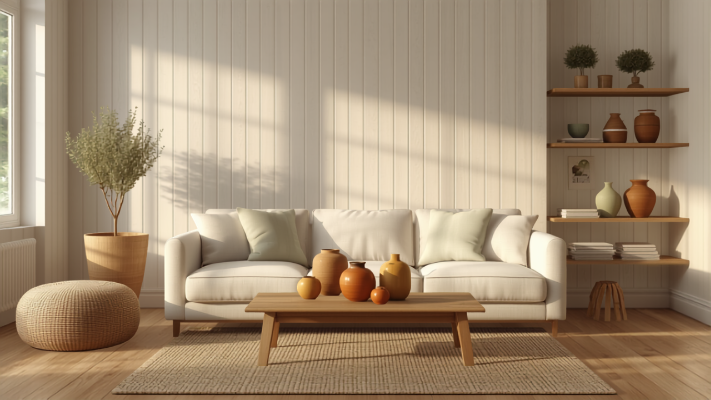
The “modern” part means you won’t sacrifice clean lines or function. Your kitchen can still have flat-panel cabinets. Your sofa can be structured. But you’ll layer in raw linen throw pillows, a chunky knit blanket, a weathered wood coffee table, and suddenly it breathes.
The key distinction: modern cottage is curated imperfection. Everything looks considered, but nothing looks precious.
The Palette: Warm Whites, Muted Tones, and One or Two Surprises
Colour is where modern cottage lives and dies. Get this wrong, and you’ll end up with something that feels either sterile or chaotic.
Start with a warm white as your base, not bright white (too clinical), not cream (too yellow). Look for whites with slight warm undertones. Benjamin Moore’s White Dove OC-17 or Sherwin-Williams Alabaster SW 7008 are safe starting points. These work on walls, trim, and built-ins without feeling cold.
Then layer in muted, natural tones. Think:
- Sage greens (not minty, more like dried herb)
- Dusty blues that read almost grey
- Warm taupes and greige
- The occasional hit of terracotta or rust as an accent
What you’re going for is a palette that could have come from nature, the kind of colours you’d find on a walk through the woods. Nothing too saturated, nothing that shouts.
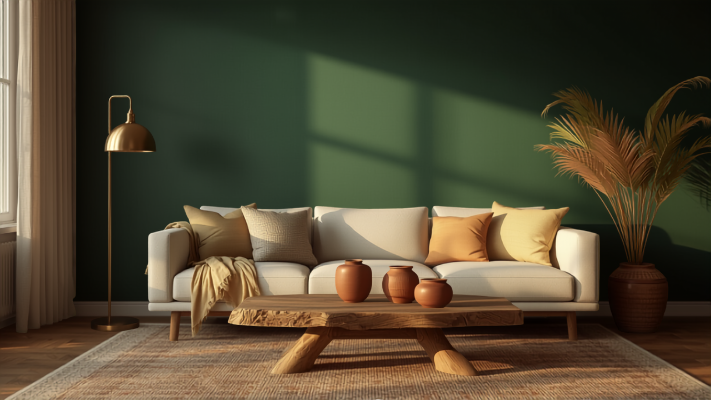
The surprise element? In 2026, people are adding one deeper, moodier shade per room. A dark olive green on a single accent wall. A charcoal blue on the lower kitchen cabinets. This stops the whole thing from feeling washed out or one-note. Read more in our guide to Colour & Paint ideas for the home.
Furniture: Mix Old and New, But Don’t Match
This is the part people get nervous about, and it’s also where modern cottage gets good. You do not need to buy a matching furniture set. In fact, please don’t.

Modern cottage furniture reads best when pieces feel like they arrived from different eras and different places, but still belong together.
Good combinations:
- A clean-lined, slipcovered sofa (white or natural linen) paired with a vintage wooden side table
- Modern pendant lights above an old farmhouse dining table
- IKEA BILLY bookcases painted out to look built-in, styled with a mix of books, plants, and vintage objects
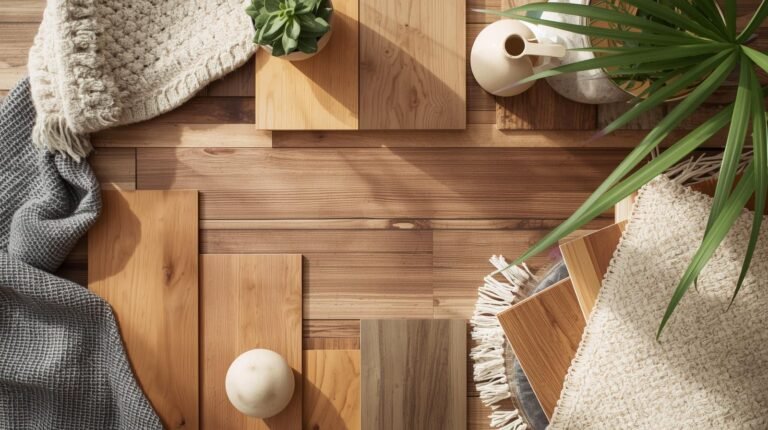
The wood tones matter. Light, bleached, or whitewashed wood is very cottagey. Dark, heavy-stained wood is not. Aim for pieces in natural, honey, or driftwood-type finishes.
Don’t worry too much about whether everything “matches.” The rule is: does each piece feel warm and authentic? If yes, it works. Browse our cottage-style furniture picks to find pieces that fit this aesthetic.
Textiles: This Is Where the Coziness Comes From
You can do everything else right and still miss the warmth if the textiles aren’t there. This is the layer that makes a room feel like you want to sit in it.
In 2026, the modern cottage textile formula is:
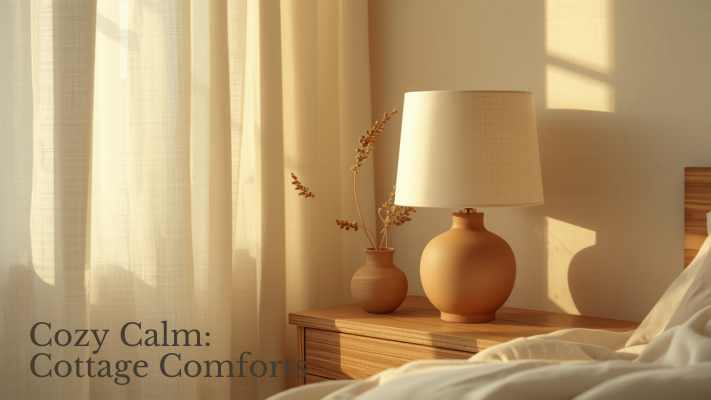
- Linen: curtains, pillow covers, duvet covers. Raw, unwashed linen is having a huge moment, wrinkly is fine, preferred
- Cotton: chunky knit throws, woven blankets in natural stripes
- Wool: flat-woven rugs (not plush, not shag, think Moroccan diamond patterns or classic American braided rugs in muted tones)
- Vintage embroidery: one or two pillows with hand-stitched florals adds that lived-in, collected feel without going full grandma
Layer your textiles. A sofa can have a linen slipcover, a cotton throw draped over one arm, and three pillows in different but coordinating fabrics. That layering is the whole thing.
What to avoid: anything that looks synthetic, anything that looks too uniform. Matching pillow sets are the enemy here. See our curated textile collection for linen and cotton options we love.
The Styling Details That Pull It Together
Once the big stuff is in place, walls, furniture, textiles, the details are what take a room from “nice” to “oh wow.”
Open shelving: If your kitchen or living room has open shelves, style them loosely. A mix of honest pottery (not matching sets), some plants, a few books stacked horizontally, and one or two personal objects. Don’t fill every inch.
Plants: Cottage-style plants lean toward the softer, slightly wild-looking varieties. Think trailing pothos, fiddle-leaf figs, ferns in terracotta pots, or fresh-cut garden stems in a simple glass jar. Not perfect, minimalist single stems in vases, more abundance, more green.
Vintage finds: One thing that modern cottage does well is mixing in vintage objects without making it look like an antique shop. One vintage botanical print in a simple white frame. A ceramic pitcher you found at a flea market. An old wooden crate used as a side table. These pieces add history without overwhelming.

Lighting: Warm, layered lighting is essential. Overhead lights should be turned low or swapped for warmer-toned bulbs (2700K-3000K). Layer in table lamps, floor lamps, and candles. A modern cottage should never look harsh under bright, cool overhead light.
Common Mistakes to Avoid
A few things people do that undermine the whole effect:
Going too matchy-matchy: Everything from the same store, in the same family of tones, with the same texture = sterile, not cozy. Intentional variety is the goal.
Skipping the imperfect element: Modern cottage should have at least one thing that’s a little rough, a little aged, a little raw. A perfectly polished, brand-new room with no wear whatsoever will always look slightly off.
Overdoing the “farmhouse” accessories: Shiplap everywhere, mason jars, chalkboard signs, that’s farmhouse chic from 2014, not modern cottage in 2026. The cottage version is more relaxed, less thematic.
Getting the white wrong: Too bright and it looks clinical. Too yellow, and it looks old. Take the time to test paint swatches in your actual space before committing.
Where to Start If You’re Working With What You Have
You don’t need to gut your whole room to shift toward a modern cottage. Start with two or three changes and see how it feels.
The fastest wins:
- Swap out synthetic throw pillows for linen or cotton ones in muted, natural tones
- Add a woven or braided rug in earthy colours
- Replace one or two harsh overhead bulbs with warmer options
- Bring in a plant or two in simple terracotta pots
From there, you can build. Paint a wall. Swap a light fixture. Find a vintage piece at a flea market. Modern cottage is a style you can grow into gradually, which is probably why it feels so real and lived-in when it’s done well.
The whole point is that it looks like a home, not a look. If you’re ready to dive deeper, explore all our 2026 interior design trend guides for more inspiration.
Related guides
- How to Mix Patterns Without It Looking Like a Mess
- How to Style a Bookshelf, Shelf by Shelf
- Midimalism: The Middle Ground Between Bare and Busy
- Modern Cottage Look Without Starting From Scratch
Browse home decor to shop the pieces mentioned here.