Nobody is buying matching ceramic sets from big-box stores anymore. Or at least, nobody who’s been paying attention to what’s happening in home decor right now.
Handmade clay pieces, lumpy, organic, beautifully imperfect, are everywhere in 2026. more than in the homes of artists and craft enthusiasts, but on the shelves and tables of people who never touched clay in their lives. And honestly? The results look incredible.
Here’s what’s driving this trend, and how you can work artisanal ceramics into your home, whether you want to make your own or just know what to look for when buying. More DIY ideas are in our DIY & Crafts section.
Why Handmade Ceramics Are Having Their Moment?
There’s a pretty clear reason why this trend took hold. After years of polished, matchy-matchy home styling, everything coordinated, everything smooth, everything looking like it arrived from the same designer, people are craving the opposite.
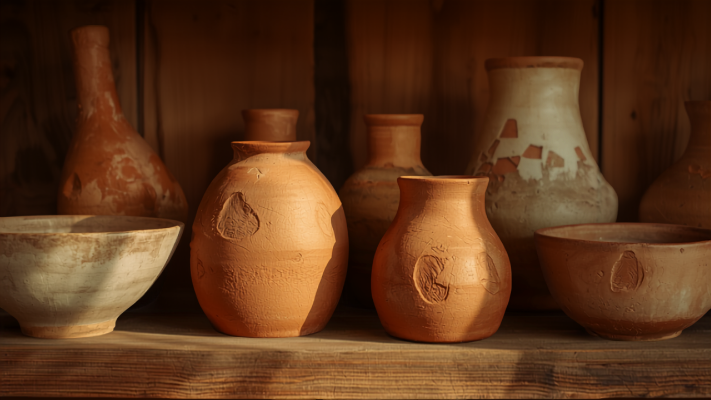
Handmade ceramics are visibly made by a human. You can see the fingerprints in the clay. The rim isn’t perfectly round. The glaze has variation and depth that no factory process can replicate. That honest imperfection is exactly what makes them feel alive in a room.
They also photograph beautifully, which doesn’t hurt.
The artisan ceramics trend in 2026 goes beyond just functional pottery (mugs, bowls, vases) into full decorative territory. We’re talking sculptural pieces that are purely visual, abstract forms, irregular organic shapes, pieces that sit on a shelf and do nothing except be interesting to look at. These blur the line between home decor and actual art.
What to Look For When Buying Artisan Ceramics?
If you’re shopping rather than making, the range of what’s out there can feel overwhelming. Here’s how to build a collection that looks intentional rather than random.
Focus on cohesion through colour, not form: Your pieces don’t all need to be the same shape or size. But if they share a colour story, all earthy neutrals, or all in the same warm terracotta-to-cream range, they’ll look like a deliberate collection rather than a pile of mismatched objects.
Mix scales: One medium bowl, one small vessel, one tall, narrow vase. Grouping pieces of similar height all together creates a flat, boring arrangement. The variation in scale creates visual rhythm.
Look for visible maker marks: Crazing (the fine network of cracks in a glaze), uneven glaze pooling, slight asymmetry, these aren’t flaws, they’re evidence of handwork. Any piece that looks like it could have come from a machine probably did.
Shop small and local: Etsy has a massive selection of artisan ceramics makers, but local studio pottery shows, farmers markets, and craft fairs often yield better pieces and better value. You’ll also be supporting an actual maker, which matters.
Don’t match your ceramics to your decor exactly: One of the biggest mistakes is buying ceramics in the same tones as your walls and furniture. You want them to slightly contrast, to pop off the shelf, while still being in the same general colour family.
Want some ready-made options? Browse our artisan ceramic picks for vetted handmade pieces from independent potters.
The 5 Best Ways to Style Ceramics in Your Home
Once you have a few pieces, placement matters. Here are the arrangements that work best:
1. The Open Shelf Cluster
Group three to five pieces together on a single shelf. Include one taller piece (like a bud vase), one wide piece (like a flat bowl), and one smaller object (like a small sculptural form). Add one plant or fresh stem and one book or stack of books for context. Leave some breathing room, don’t jam the shelf full.
2. The Dining Table Centrepiece
Replace the typical fruit bowl or candle arrangement with a cluster of artisan ceramics. A wide, shallow clay bowl in the centre (can be empty or hold a few stones or dried botanicals), flanked by two or three smaller pieces of varying height. Rotate pieces with the seasons.
3. The Bathroom Counter Display
Bathrooms are one of the most underrated spots for ceramics. A handmade soap dish, a small vessel holding cotton balls, and a little bud vase with a single dried stem. It transforms a functional space into one that feels considered and personal.
4. The Window Sill Row
A simple row of bud vases along a kitchen or bedroom window sill, each with a single dried flower or herb stem, looks effortlessly beautiful. Vary the heights and the glaze colours slightly for interest.
5. The Floor Vessel
Large-scale ceramic vases, two to three feet tall, placed directly on the floor next to a sofa, by a fireplace, or in a corner work well in 2026’s interior sensibility. Fill with tall dried pampas grass, eucalyptus branches, or leave empty for a more sculptural effect.
Making Your Own: A Beginner’s Honest Guide
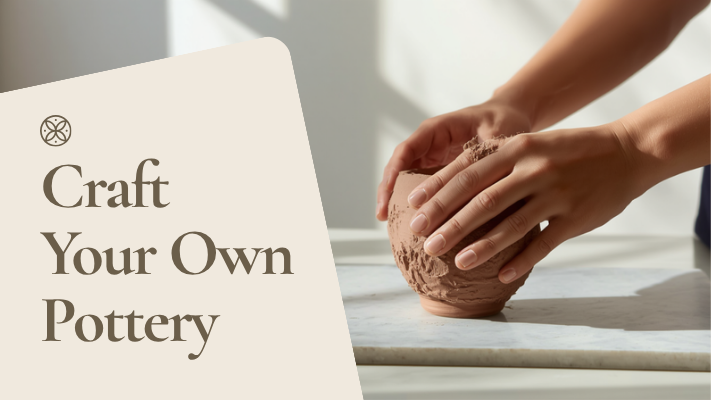
You don’t need to take a full pottery wheel class to make ceramics for your home. Air-dry clay has improved dramatically in the last few years, and there are now several types that produce beautiful finished pieces without a kiln.
What you need to start:
- Air-dry clay (DAS or Crayola Model Magic work fine for small pieces; for more serious results, try Laguna Dry-Dry or similar)
- A smooth work surface (a silicone mat or marble cutting board)
- A few simple tools: a wooden skewer, a plastic knife, a sponge
- Acrylic paints or terra sigillata for finishing (optional)
- Matte varnish to seal finished pieces
Simple beginner projects that look good:
- Pinch pots: Roll a ball of clay, push your thumb into the centre, and slowly pinch and rotate until you have a small bowl shape. The irregular edges are the point. Let dry completely (48-72 hours), then paint with a matte earthy glaze-effect paint.
- Sculptural ring dish: Roll clay flat (about 1cm thick), cut a rough organic circle shape, gently press the centre down and let the edges curl up naturally. Perfect for jewellery or as a display piece.
- Abstract wall tiles: Press clay flat, cut into irregular rectangular shapes, poke a small hole near the top for hanging, then press textures into the surface using leaves, fabric, or carved stamps before drying. These look striking grouped on a wall.
The truth about air-dry clay: it’s not the same as kiln-fired pottery. It’s more fragile, and it won’t hold water without sealant. But for decorative pieces, sculptures, wall art, display objects, it’s good enough to look great on a shelf. Check our DIY supplies shop for air-dry clay and the tools we recommend.
Caring for Handmade Ceramics
Handmade ceramics require a bit more care than their factory-made counterparts.
Avoid sudden temperature changes: Don’t put a cold piece directly into a hot oven or pour boiling water into a cold vessel. Thermal shock can crack even professionally kiln-fired pieces.
Wash by hand if they’re functional: For mugs, bowls, and vases you use, hand washing is gentler than the dishwasher. Many artisan glazes can dull or craze further over time with repeated dishwasher cycles.
Display away from direct sunlight: Certain glazes can fade slightly with prolonged UV exposure.
Dust regularly: The unglazed or matte-finished surfaces of many artisan pieces can collect dust. A soft, dry cloth or makeup brush works better than a damp cloth, which can leave water marks on unglazed clay.
Building Your Collection Over Time
The best ceramic collections aren’t assembled all at once. They grow over the years, a piece from a craft market in one city, a mug from a local studio, a sculptural vase you commissioned from an artist whose work you found on Instagram.
This is part of the charm. The “collected over time” feeling is exactly what modern home styling in 2026 is after. Pieces that have a story, a source, a human behind them.
Start with two or three pieces. Put them somewhere you can see them every day. Notice what’s missing, more height, more colour, a wider base piece. Buy slowly and intentionally.
You’ll end up with something that looks like it came from years of thoughtful curation, because it did. For more styling inspiration, explore our Interior Design Trends guides and the full DIY & Crafts archive.
Related guides
- DIY Quilted Wall Art: Materials, Steps and Cost
- Natural Wood Home Decor for Indian Homes
- Mixing Metals in Decor: Brass, Black and Chrome
- Eco Friendly Home Decor India: 9 Material Swaps
Browse ceramic pots to shop the pieces mentioned here.