If wallpaper reminds you of your grandmother’s house, busy floral patterns, yellowing at the edges, impossible to remove, you’re thinking of a different era. The wallpaper making a comeback in 2026 is nothing like that, and it’s becoming one of the most exciting tools in home decorating right now.
Why Wallpaper Fell Out of Fashion (And Why That’s Over)
Wallpaper dominated interior design for most of the 20th century, then paint took over in the 90s and 2000s. Everyone switched to clean, neutral walls, white, greige, light gray. It felt fresh at the time.
But somewhere along the way, interiors started looking identical. Same colors, same finishes, same Pinterest-perfect aesthetic with zero personality. People got bored. And when people get bored, they start looking for ways to add character back into their spaces.
That’s where wallpaper comes in. It does something paint can’t: it tells a story. It creates atmosphere. A room with great wallpaper has a point of view that feels intentional and personal.
Interior design publications including Living Etc. and TotalWallCovering both reported a significant surge in wallpaper interest heading into 2026, with designers noting that clients who previously wouldn’t entertain the idea are now requesting it.
The 2026 Wallpapers That Are Worth Considering
This is not your grandma’s wallpaper. Here’s what’s trending:
Textured wallpapers that look like natural materials. Linen-effect, grasscloth-look, and suede-textured wallpapers are massive right now. They add incredible depth and warmth to a room without being overtly “wallpaper-ish.” From across the room, you might not even realize it’s wallpaper, it just looks like a beautifully textured wall. These work especially well in bedrooms and living rooms.

Embossed designs. Unlike flat wallpaper, embossed surfaces interact with light throughout the day, changing subtly as the sun moves. A raised geometric or organic pattern in a muted tone can add enormous sophistication to a room. These are particularly beautiful in dining rooms where candlelight plays off the texture at night.
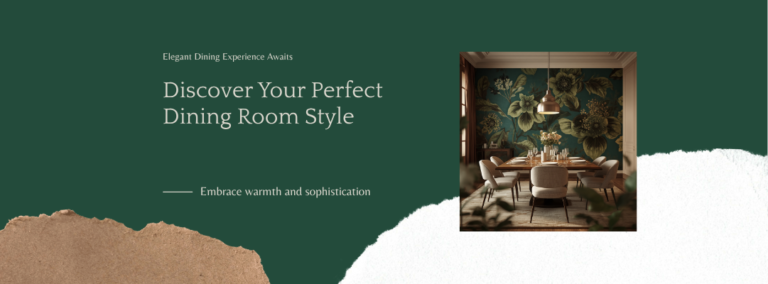
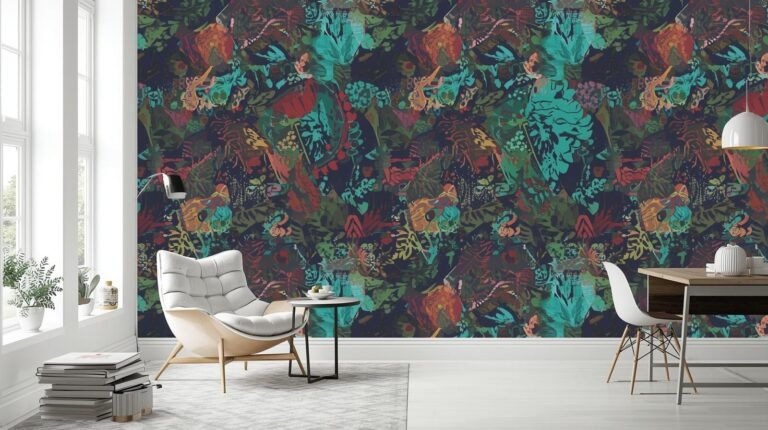
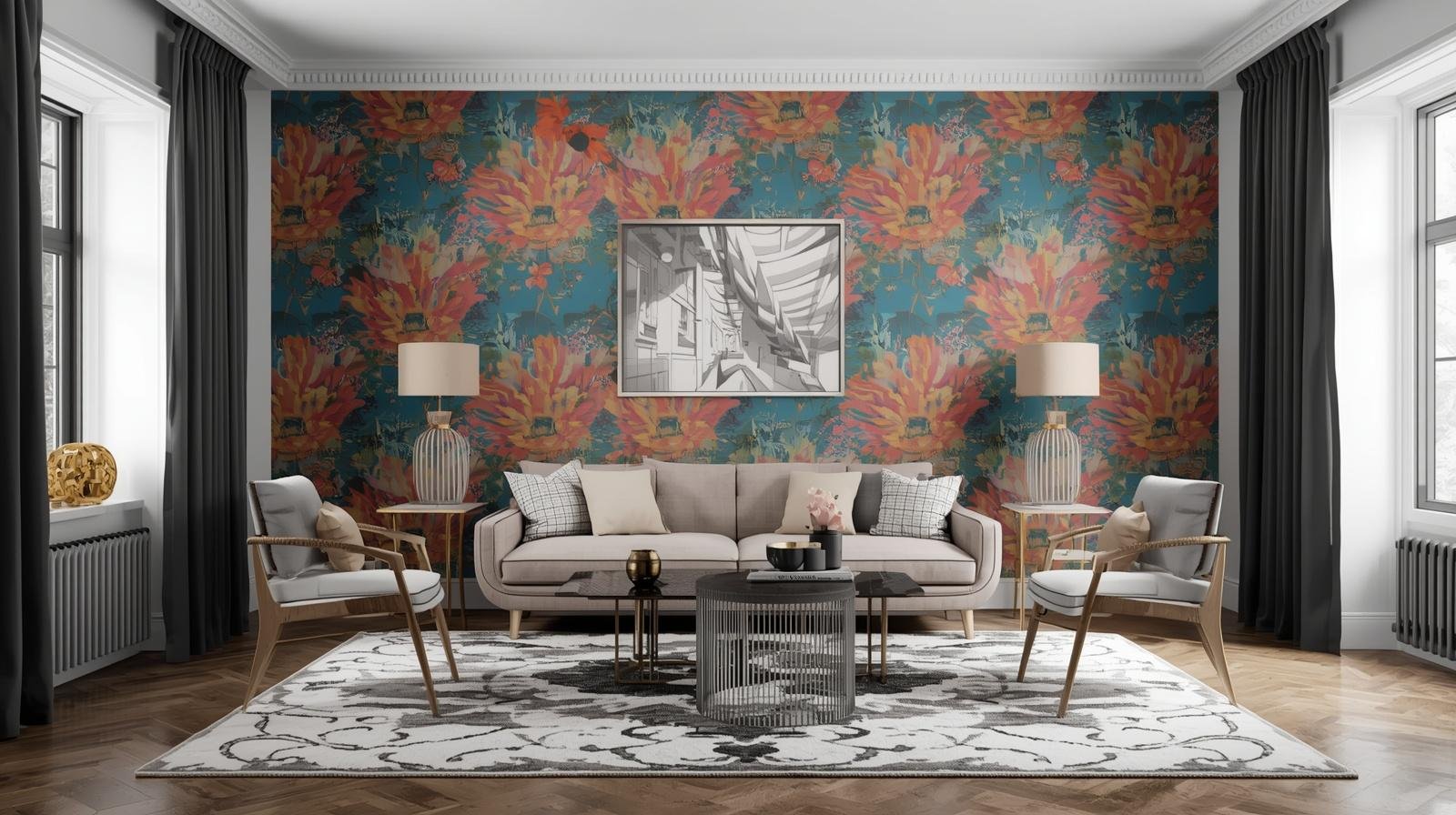
Large-scale botanicals and florals. Not the dainty sprig patterns of the past, we’re talking oversized leaves, bold petals, dramatic nature-inspired prints that command attention. These work best as accent wall treatments rather than all four walls.
Earthy, moody colorways. The palettes trending right now are warm and grounded: deep terracotta, clay, soft sage, warm gold, forest green, moody blue. Bright whites and cool grays are largely absent from what’s resonating in 2026.
Peel-and-stick options. This is a significant shift for renters and commitment-phobes alike. The quality of peel-and-stick wallpaper has improved dramatically, you can find options that look identical to traditional hung wallpaper and come down cleanly when you’re ready to move on.
Browse our Wall Decor Collection for current picks across all these styles.
Where to Use Wallpaper (Even If You’re Nervous About It)
Not ready to wallpaper an entire room? You don’t have to. Here are the smartest spots to start:
The accent wall behind your bed. This is hands-down the most popular wallpaper placement right now, and for good reason. The headboard wall creates a visual anchor for the whole room, and because you typically have a large bed in front of it, any seams or imperfections are partially obscured. A warm textured wallpaper or a large-scale botanical print here instantly lifts the whole bedroom.
Inside built-in shelving or a bookcase. This is a low-risk way to try wallpaper because the total square footage is tiny. Paper the back panels of a bookcase in a bold pattern and it makes the whole thing look intentional and high-end. It’s a popular design trick used in very expensive homes.
A powder room or half bath. Small spaces are ideal for wallpaper because you can use something dramatic without it becoming overwhelming. A powder room with a bold pattern feels like a little jewel box, unexpectedly wonderful. And because the room is small, even premium wallpaper won’t break the bank.
An entryway or hallway. These transitional spaces often get neglected, but a wallpapered entry makes a strong first impression. Because people move through rather than linger, a bolder pattern works here in a way it might not in a living room where you’ll stare at it for hours.
Practical Things You Need to Know Before You Buy
A few things that will save you headaches:
Measure carefully and buy extra. If your wallpaper has a pattern repeat, you’ll need more than you think to match the pattern across seams. The standard advice is to add 15 to 20% to your square footage calculation. Running out mid-project and having to order more is a nightmare if the dye lot changes.

The wall prep matters more than people realize. Wallpaper will telegraph every imperfection underneath it, bumps, cracks, old nail holes. Patch and sand your walls before you start. For textured walls, you may need to skim coat first or use a very thick textured wallpaper that hides flaws.
Paste-the-wall vs. paste-the-paper. Paste-the-wall wallpaper (where you apply adhesive to the wall, not the paper) is generally easier for DIYers because you’re not trying to unfurl wet paper while also keeping it straight. If this is your first time hanging wallpaper, look specifically for paste-the-wall products.
Hire a professional for complex patterns. If you’re going with a statement large-scale print that needs precise pattern matching, strongly consider hiring a professional installer. The cost (typically $1, $3 per square foot for labor) is worth it compared to a botched job on expensive wallpaper.
Peel-and-stick is fine for most walls. If you’re a renter or just want to try something without full commitment, modern peel-and-stick options are vastly better than they were five years ago. Brands like Chasing Paper, Tempaper, and Spoonflower all make excellent options. The main limitation is that they don’t always adhere as well in humid environments like bathrooms.
Mixing Wallpaper With Other Patterns
One wallpaper question that comes up constantly: can you mix it with other patterns in the room? And the answer is yes, with some guardrails.
The trick is to keep a shared color running through everything. If your wallpaper has terracotta, sage, and warm white, your throw pillows can have a completely different pattern as long as they pull from the same color family. Scale matters too, mix a large-scale wallpaper pattern with smaller-scale prints in textiles to keep things from competing.
What you want to avoid is two patterns of similar scale fighting for attention. A medium-sized geometric wallpaper paired with a medium-sized geometric rug in different colors will feel chaotic. Go large + small, or bold + subtle.
The Bottom Line on Wallpaper in 2026
Wallpaper isn’t a gamble anymore, it’s one of the most effective ways to create a room with genuine character. The materials are better, the installation options are more accessible, and the designs available right now are beautiful.
Whether you go full commitment with four walls or just paper the back of a bookcase, you’ll be surprised how much impact it makes.
Related guides
- Wallpaper Murals: How to Use Scale and Pattern
- Wallpaper Guide: Types, Cost and Where to Use It
- Colour Drenching: Walls, Ceiling and Trim in One Tone
- Moody Colour Palettes: Terracotta, Green and Clay
Browse living room decor to shop the pieces mentioned here.