Quick answer: The fastest plant pot decorations need no paint at all: drop the plastic nursery pot into a woven basket, top the soil with white pebbles, group pots in odd numbers, or raise one pot on a stand. Beyond that, jute rope wrap, dip painting, and chalk paint cover the weekend projects. The 20 ideas below are sorted by effort, zero to high.
Half the pots in Indian homes are black plastic nursery pots, because that is how plants arrive and repotting feels like a commitment. Good news: most pot styling never touches the pot. It hides it, tops it, raises it, or groups it. The pot you were embarrassed about can stay exactly as it is.
Sorted by effort, starting at none.
Zero effort, under five minutes each
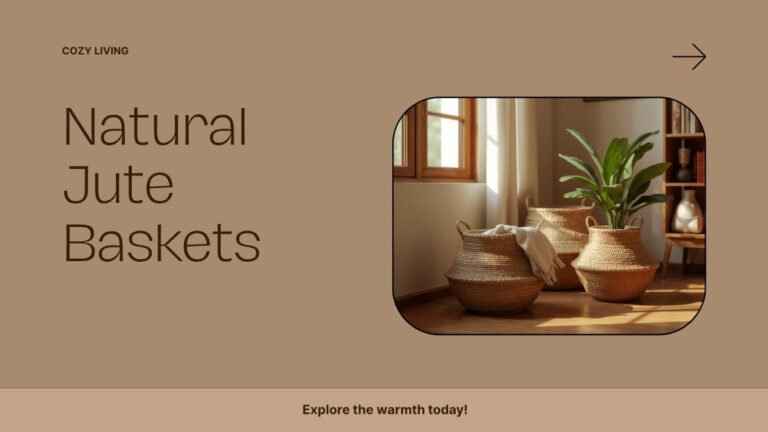
1. The basket cover. Drop the nursery pot, plastic and all, inside a woven basket. Done. The ATICUE jute and cotton basket (₹699) swallows an 8-inch nursery pot whole. Pull the inner pot out to water, let it drain, drop it back. The basket never sees wet soil.
2. Pebble topping. A layer of white pebbles over the soil hides the crusty top layer, slows evaporation, and makes a ₹80 pot photograph like a ₹500 one. One bag covers three pots.
3. The odd-number rule. Pots grouped in threes and fives look composed. Pairs and fours look like leftovers. Nobody knows exactly why odd numbers work, but stylists have used the rule forever because it does.
4. Raise one. Put one pot of a group on a stand or even a stack of two bricks. The height difference alone creates arrangement where there was a row.
5. The height triangle. In any group of three, arrange tall at back, medium in front-left, small in front-right. Your eye traces a triangle, and triangles read as intentional.
6. Turn the plant. Free, and almost nobody does it. Every plant has a better side. Rotate the pot until the fullest growth faces the room.
Low effort, under an hour
7. Jute rope wrap. Hot-glue jute rope around a plastic pot, base to rim, in a tight spiral. Twenty minutes per pot, and plastic becomes texture. Costs about ₹100 of rope per medium pot.
8. Fabric sleeve. Wrap a pot in leftover blouse fabric or an old dupatta section, secured with twine at the rim. Swappable per festival, which no paint can claim.
9. The saucer upgrade. A plain pot on a brass or wooden plate instantly borrows the plate’s polish. Steal one from the kitchen and see.
10. Chalk marker labels. Write the plant name directly on the pot in white chalk marker. Works best on dark pots and makes a herb row look like a cafe shelf.
11. Twine cross-binding. Two bands of twine around the pot, crossed once at the front. Three minutes. It reads handmade in the good way.
12. Cluster on a tray. Three small pots on one tray become a single object. Easier to water, easier to move, and the tray edge frames them like a deliberate display.
Weekend projects
13. Dip paint. Tape a clean line around the pot, paint only the bottom third in one solid colour, peel the tape. The crisp line is the entire trick. Two-thirds terracotta, one-third deep green never misses.
14. Chalk paint full coat. Chalk paint sticks to plastic and terracotta without primer and dries matte, which hides plastic shine completely. One small tin covers six pots.
15. Geometric stencil. Painter’s tape in triangles, one contrast colour, peel. Stick to two colours per pot. Three colours is where pots start looking like a craft class.
16. Terracotta wash. Dilute white paint 1:1 with water and brush one rough coat over a terracotta pot. The pot underneath shows through and the result looks Mediterranean instead of nursery-issue.
17. Old kitchen vessels. A retired brass patila or degchi with a drainage hole drilled in is the most Indian planter possible, and the patina is twenty years of styling you cannot buy.
Arrangement ideas that finish the look
18. One colour family per zone. All warm tones on the balcony, all neutrals in the living room. The same mixed pots, sorted by palette, stop fighting each other.
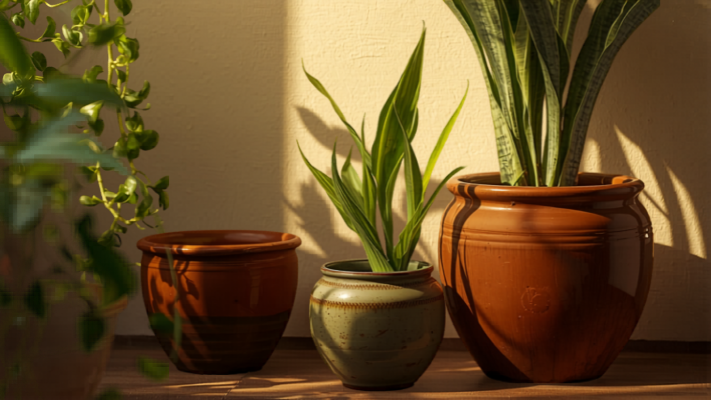
19. Repeat one pot. Three identical pots in a row, like a trio of multicolour ceramic pots in a single colour, create rhythm that one statement pot never achieves. Repetition is the cheapest form of design confidence.
20. Leave one plain. In any styled group, keep one pot completely undecorated. It gives the eye a rest and makes the styled ones look styled rather than busy. Restraint is also a decoration.
Effort vs payoff, ranked
| Idea | Effort | Cost | Payoff |
|---|---|---|---|
| Basket cover | None | Basket price | Highest per minute spent. |
| Pebble topping | None | About ₹150 | Big in photos. |
| Odd grouping + height triangle | None | Free | Free, so unbeatable. |
| Jute rope wrap | Low | About ₹100 | Best plastic-pot rescue. |
| Dip paint | Medium | About ₹250 | Best paint-to-result ratio. |
| Brass vessel planter | High | Free if inherited | Conversation piece forever. |
If you only do two things from this list: pebble-top your three most visible pots and put the ugliest plastic one inside a basket. Ten minutes, and the whole shelf changes.
Frequently asked questions
How do I decorate plant pots without painting them?
Hide, top, raise, or group. Drop the pot in a woven basket, cover the soil with pebbles, lift one pot on a stand, and arrange the rest in odd-numbered groups with a tall-medium-small triangle.
What paint works on plastic plant pots?
Chalk paint adheres to plastic without primer and dries matte, which kills the plastic shine. Acrylics work too but need a primer coat first, or they peel within a season of watering.
How do I make cheap pots look expensive?
Uniformity and texture. Repeat one identical pot three times, top the soil with pebbles, and add one woven or brass element to the group. Expensive looks come from coherence, not from any single pot’s price.
Can I put a plastic nursery pot inside a decorative basket?
Yes, and it is the recommended setup. The plastic pot handles soil and drainage, the basket handles looks. Pull the inner pot out to water and drain so the basket never gets wet.
What do you put on top of soil in indoor pots?
White pebbles, river stones, or a thin moss layer. Each hides the dry crusty soil surface, slows evaporation, and stops soil splashing onto the floor during watering.
Related guides
- How to Make a Garden in a Balcony: Step by Step
- Mixing Wood Tones: Stop Matching, Start Layering
- Monsoon Plants for Balcony: What to Grow and Move
- Planters for Balcony India: Size, Material, Style
Browse pots and planters to shop the pieces mentioned here.