
Quick answer: Diwali falls on Sunday, 8 November this year, and the decorating that matters happens in five zones: entrance, living room, balcony, pooja corner, and dining. Three moves per zone, warm white light everywhere, real flame only on stone or metal, and the whole house done properly for ₹4,000 to 12,000 depending on how far you take it.
Diwali decoration articles come in two types. The aspirational kind, shot in 4,000 square foot homes with staff. And the listicle kind, which says fairy lights, rangoli, diyas, done, as if you had not thought of those.
This is the third kind: room by room, with budgets, for an actual Indian flat, written in June so you can plan instead of panic-buying on Dhanteras when marigold prices triple by evening.
The one rule before any zone: light temperature
Buy every light in the house at the same colour temperature, 2700K to 3000K warm white. The single biggest difference between a home that glows and a home that looks like a mobile recharge shop is mixed lighting: blue-white LEDs fighting warm diyas. Check the box, it says the number. RGB colour-changing strips are for Independence Day buildings, not your living room.
Zone 1: the entrance, ₹600 to 1,200
The entrance does the most emotional work per rupee, because everyone who matters passes through it.
- 1. A toran on command hooks. Fresh marigold and mango leaf if you can replace it every few days, good fabric if you cannot. Command hooks mean no nail holes and no landlord conversation.
- 2. A corner rangoli. In a flat, a centre-of-the-floor rangoli lasts until the first courier. Corner designs and small floating-flower bowls survive foot traffic. Acrylic sticker rangolis are now good and reusable, no purist will check.
- 3. One brass urli with floating flowers and tealights. On a stool by the door. This single object photographs better than ₹2,000 of string lights.
Zone 2: the living room, ₹1,200 to 3,500
- 1. Cushion cover swap. The cheapest full-room transformation in existence. Six festive covers in one colour family, mustard and rust, or deep green and gold, and the same old sofa is a new sofa. Covers, not cushions, you store flat in January.
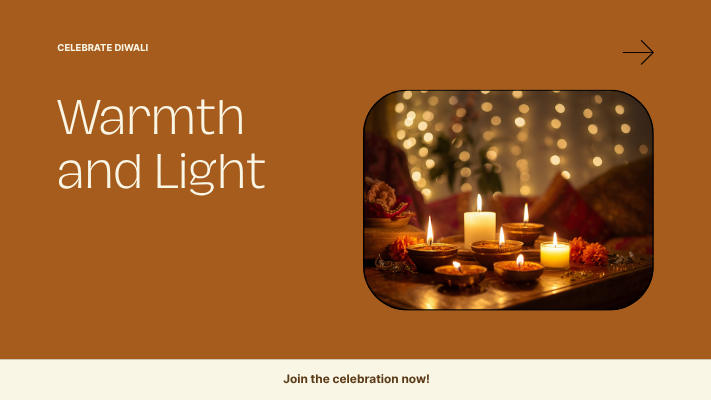
- 2. A candle and diya cluster on a tray. Heights staggered, tray underneath so wax and oil never meet the table. The tray is the difference between a vignette and a cleaning job.
- 3. Marigold in unexpected vessels. Steel lotas, old glass bottles, a line of small ceramic pots down the centre table. Genda is ₹60 to 100 a kilo in early November and one kilo dresses a whole room. Buy loose flowers two days before, not garlands on the day, and you beat the Dhanteras price spike.
Zone 3: the balcony, ₹800 to 2,000
The balcony is what the street sees, and in a society, the street is everyone.
- 1. Railing string lights, inside face, wrapped along the full length, IP44 outdoor-rated, plugged inside the room. This is the move visible from the road.
- 2. One kandil from the ceiling. The paper lantern swaying in November breeze is the most Diwali object there is. Hang it from a slab hook clear of the railing line.
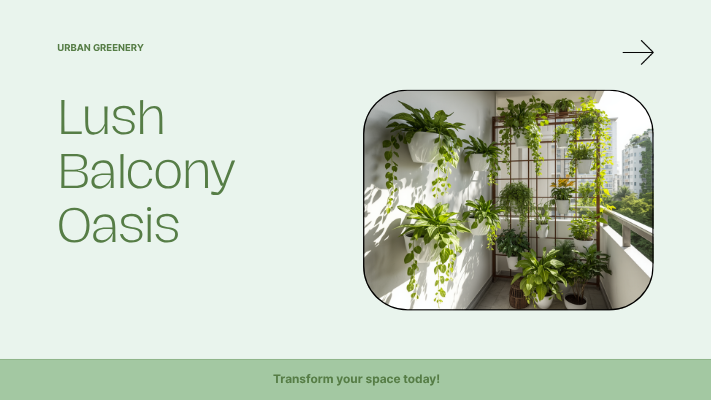
- 3. Micro fairy lights woven through your plants. Battery packs hidden behind the pots. Plants you already own become the decoration, which is the best budget trick on this list.
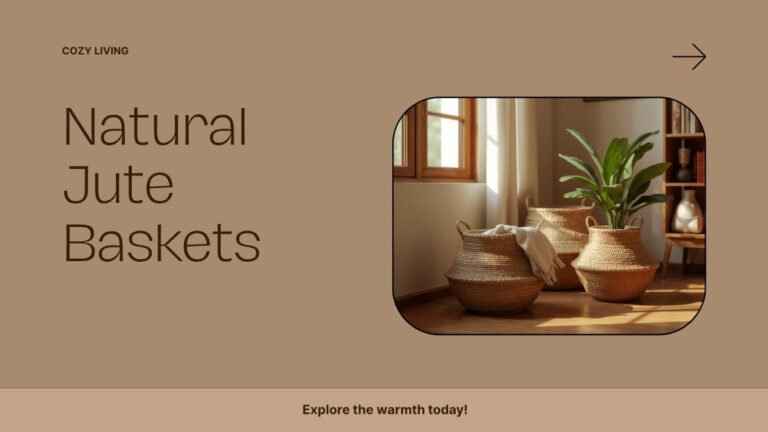
If the balcony has a basket planter or a jute basket chai station, it moves under cover before any open flame goes near the railing. Fibre and diya do not share a balcony unsupervised.
Zone 4: the pooja corner, ₹500 to 1,500
- 1. A tiered stand for the mandir, so idols, photos and the diya sit at staggered heights instead of competing for one shelf. A small wooden stool stack works if a stand is not in budget.
- 2. Fresh flowers daily for the five days, which costs less than one synthetic garland and smells like the festival is supposed to.
- 3. A warm backlight behind the mandir, one battery LED strip, and the corner glows in evening aarti photos without a single wire crossing the floor.
Zone 5: the dining table, ₹400 to 1,000
- 1. A runner down the centre, not a full tablecloth. Faster, cheaper, and the wood showing on either side looks deliberate.
- 2. Tealights as place settings, battery LED at the plates where sleeves and dupattas pass, real flame only at the centre where nobody reaches.
- 3. The mithai unboxed. Whatever sweets came in printed boxes go onto one good plate or a basket lined with a cloth. Boxes on a table say delivery, plates say welcome.
The honest safety paragraph
Real diyas sit on stone, metal, or ceramic, never on plastic, cloth, or wood, and never on a railing where wind owns them. Battery LED tealights go anywhere fabric goes, and the good ones flicker convincingly now. Do not chain more than three light strings into one plug, and switch everything off at the wall when the last person sleeps, because Diwali night house fires are mostly lights left running, not diyas.
The budgets, summed up
| Zone | Minimum | Done properly |
|---|---|---|
| Entrance | ₹600 | ₹1,200 |
| Living room | ₹1,200 | ₹3,500 |
| Balcony | ₹800 | ₹2,000 |
| Pooja corner | ₹500 | ₹1,500 |
| Dining | ₹400 | ₹1,000 |
| Whole flat | ₹3,500 | ₹9,200 |
Start buying lights and covers in October when stock is full price but full range. Leave only the flowers for November. And if you are building Diwali gift hampers this year, our guide to hampers under ₹1,500 covers the five builds, the basket does the impressing and gets reused in the recipient’s home for years.
Frequently asked questions
When is Diwali in 2026?
Diwali falls on Sunday, 8 November 2026, with the festive week running from Dhanteras on 6 November. Buy lights and decor in October, leave only fresh flowers for November, and you skip the Dhanteras price spike.
How can I decorate my home for Diwali on a low budget?
₹3,500 covers a full flat: a toran on command hooks, a corner rangoli, cushion cover swaps, one kilo of loose marigold in vessels you own, railing lights, and battery tealights. Flowers and light placement do the work, not expensive objects.
Are LED diyas okay for Diwali?
Yes, and they belong anywhere fabric, children, or wind reach: plate settings, railings, near curtains. Keep real flame for the pooja and one supervised centrepiece, on stone, metal, or ceramic bases only.
Which colour lights are best for Diwali decoration?
Warm white, 2700K to 3000K, across the entire house. Matching temperature is what makes a home glow. Mixed blue-white and warm lights, or RGB colour-changing strips, are why some decorated homes look like shops instead.
How do I decorate a small apartment balcony for Diwali?
Three moves: string lights wrapped on the inside of the railing, one kandil hung from the ceiling slab, and micro fairy lights woven through plants you already own. All vertical, so the floor stays usable for standing with chai and watching the colony light up.
Related guides
- Gift Hamper Ideas Under Rs 1500 That Look Expensive
- Housewarming Gift Ideas India: What People Keep
- Janmashtami Decoration Ideas for Home
- Teacher’s Day Gift Ideas India That Get Kept
Browse home decor to shop the pieces mentioned here.