If someone told you five years ago that wallpaper would be one of the hottest interior design trends of 2026, you might have laughed. Wallpaper had a reputation, dated, impossible to remove, everywhere in houses built in the 1980s. But here we are, and it’s back in a big way. The difference this time is that the new generation of wallpaper is exciting to use.
This isn’t your grandmother’s border-strip-at-the-ceiling situation. Today’s wallpaper comes in textures you want to reach out and touch, botanical prints that feel like living art, and peel-and-stick options that are removable. If you’ve been curious about trying it, 2026 is a great time to take the plunge.
Why Wallpaper Makes Sense Right Now
There’s a design shift happening that explains the wallpaper revival. For most of the 2010s, “clean and minimal” was the dominant aesthetic, white walls, open floor plans, no pattern, no fuss. It looked great in photographs. But a lot of people started feeling like their homes had no personality, no warmth, nothing to look at.
Wallpaper fixes that immediately. It adds pattern, texture, and visual depth to a room in a way that paint can’t. One wall of a botanical print can transform an ordinary dining room into a space that feels considered and intentional. A grasscloth texture in an entry hall adds warmth and visual interest without screaming “look at me.” It’s efficient storytelling for your walls.
The other practical reality is that modern wallpaper is a much better product than what existed twenty years ago. Vinyl-coated options are washable and hold up in bathrooms and kitchens. Peel-and-stick papers have improved dramatically and stick properly, and remove cleanly, without the nightmare of paste and steaming. For renters especially, this is a game changer.
Which Rooms Work Best for Wallpaper
Not every room needs wallpaper, and frankly not every room benefits from it. The spaces where it consistently earns its keep:
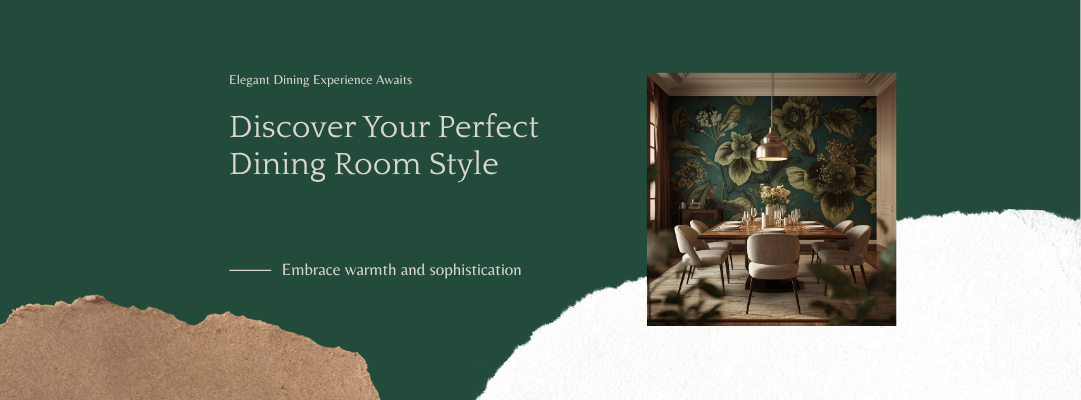
Dining rooms. This is the classic wallpaper room, and for good reason. Dining rooms are the one place in most homes where you sit, face the walls, and have time to appreciate them. A bold botanical print or a deep-toned textured paper here creates a backdrop that makes meals feel like occasions.
Entryways and hallways. These are high-impact, small-footprint spaces. You spend about four seconds walking through them, which means a more dramatic pattern won’t overwhelm you the way it might in a room you live in for hours. A striking geometric or mural-style paper in an entry makes a strong first impression.
Accent walls in bedrooms. The wall directly behind the headboard is the most natural spot for wallpaper in a bedroom. It frames the bed, adds depth without enclosing the room, and lets the rest of the space stay calm. Soft textures work especially well here, a subtle linen-look paper or a soft watercolor floral.
Powder rooms. Small space, almost no furniture, and people spend maybe two minutes in there. You can go bold in a powder room in a way that would be exhausting in a living room. Dark, dramatic papers with large prints are made for powder rooms.
How to Pick the Right Pattern
This is where most people get stuck. The options are overwhelming, so having a few simple filters helps.
Start with the room’s light. A room with great natural light can handle darker, denser patterns without feeling oppressive. A north-facing room with limited light is better served by lighter papers, soft textures, lighter grounds, more airy patterns, otherwise it can feel cave-like.
Match the scale of the pattern to the scale of the room. Small, tight repeating patterns in large rooms can look fussy and busy. Large, sweeping botanicals or murals in small rooms can make them feel bigger and more dramatic, but only if the wall space is somewhat unbroken.
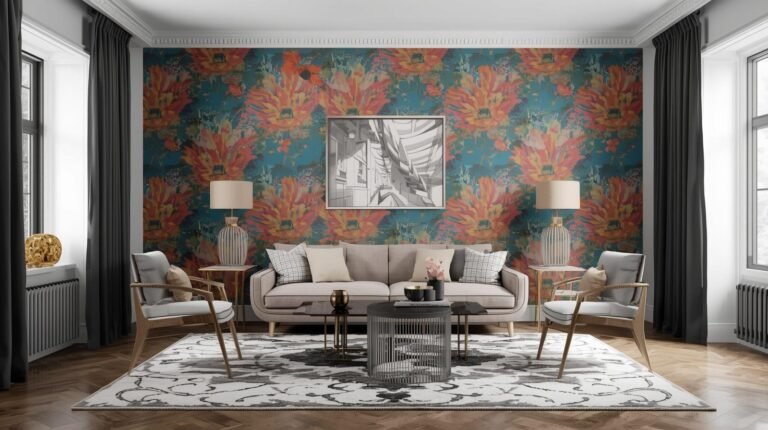
The trending prints for 2026 specifically: large-scale botanicals with moody, deep green backgrounds, soft watercolor murals (especially abstract landscapes), textured grasscloth in warm browns and creams, and maximalist florals in terracotta and rust tones. The chinoiserie style (that classic blue-and-white bird-and-branch pattern) is also having a strong moment.
The Practical How-To
If you’re going the traditional paste wallpaper route, a few things make the process much less painful. First, prep your walls properly, fill any cracks or nail holes, sand smooth, and prime with a wallpaper primer (not regular wall primer). Skipping prep is the number one reason wallpaper looks bad.
Get a wallpaper smoothing brush and a seam roller. The smoothing brush gets air bubbles out and the seam roller ensures edges adhere properly and aren’t noticeable. Take your time on the first strip, it sets the plumb line for everything else.
For peel-and-stick, clean your walls thoroughly with a slightly damp cloth and let them fully dry before applying anything. The adhesive doesn’t grip well to dust or residue. Apply slowly, smoothing as you go from the center outward.
One thing people often forget: order extra. Wallpaper pattern repeats mean you lose some paper with each strip, and you want at least one extra roll in case of damage or future repairs. Most companies recommend ordering 15 to 20% more than your wall measurements require.
Styling Around Wallpaper
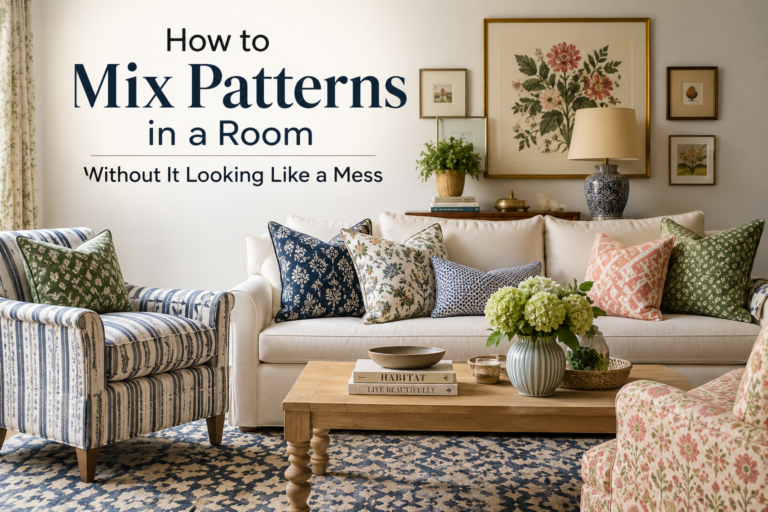
Once the wallpaper is up, the room needs to respond to it rather than compete with it. Pull one or two colors from the paper into your soft furnishings, a throw pillow in the exact green from your botanical print, or a lamp in a terracotta that echoes a tone in the background.
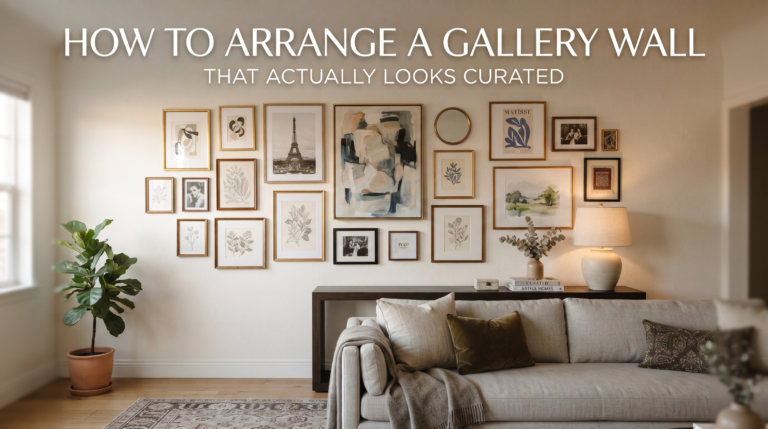
Keep art simple on a wallpapered wall. Layering framed pieces over wallpaper can look intentional and interesting, but it’s a tricky balance, choose frames in natural wood or simple matte black rather than ornate gilded styles, and keep groupings small. Two or three pieces maximum, with generous spacing between them.
If your wallpaper is on one accent wall, the other three walls should be painted in a color pulled from the paper, not white. White walls next to patterned wallpaper often look like a mistake rather than a contrast. Go neutral and warm: a soft cream, a greige, or a muted version of one of the paper’s secondary colors.
For more ideas on coordinating your new wallpaper with the rest of the room, browse our accent furniture guides and our roundup of warm-toned side tables and consoles that pair beautifully with botanical prints. We also have a color palette guide if you’re trying to match your paint to your new paper.
Wallpaper rewards taking your time to pick the right one. Pull samples and live with them taped to your wall for a few days before committing. What looks perfect on a phone screen can feel completely different in your actual room with your actual light. But when you get it right? It changes everything.
Related guides
- Wallpaper for Walls: Where It Works and Where It Fails
- Wallpaper Murals: How to Use Scale and Pattern
- Colour Drenching: Walls, Ceiling and Trim in One Tone
- Dining Table Centerpiece Ideas That Look Effortless
Browse living room decor to shop the pieces mentioned here.