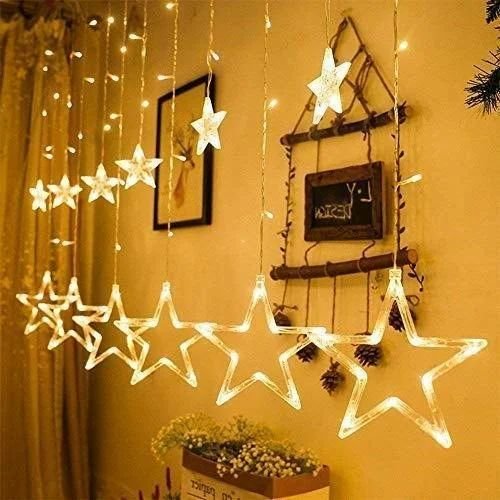

Quick answer: Most Indian kids’ rooms serve three purposes in a space built for one: studying, playing, and sleeping. In a 10×10 or 10×12 room, the most common size in urban Indian 2BHK and 3BHK flats, the only layout that works without constant friction is a three-zone approach: a study corner anchored by the table and lamp, a floor play zone that stays clearable, and a sleep zone where the lighting is calm. The decoration follows the zones. What you put on the walls and shelves makes sense once the zones are defined.
The bigger mistake in kids room decor is decorating before organising. A room with a functional study table, a storage basket for toys, and a night light that works correctly for the child’s age looks more put-together than one with wall decals and a chaotic desk.
—
Why Indian Kids’ Rooms Are Different from What the Internet Shows
Most kids room content assumes a single-purpose room: a dedicated playroom, or a dedicated study, or a dedicated bedroom. Indian apartments don’t work that way. The 10×10 room in a Noida or Bangalore 2BHK has to do all three, usually for two children sharing the space.
Two specific complications make this harder than Western guides account for:
The study table is always in the room, but the room gets used for sleeping. Study table lamps in India are often left on late into the night, which means one child studying while the other is trying to sleep, a common conflict in shared rooms.
The floor play zone disappears whenever the room gets used for anything else. Without a specific place for toys, everything ends up somewhere it shouldn’t be.
Both problems have simple solutions that are cheaper than any Pinterest aesthetic project.
—
Zone 1: The Study Corner
The study corner needs three things: the right light, a surface that doesn’t accumulate clutter, and somewhere for school materials that isn’t the floor.
The lamp. A study lamp that points down at the desk surface without spilling light across the room makes a significant difference to study-sleep conflicts. LDT’s study lamp range includes directional lamps that concentrate light at the work surface. This solves the shared-room late-study problem without needing a separate study room.
The desk surface. Most school-age children accumulate enough on their desk that the actual writing surface is half its original size within two weeks. A kids table organiser on the desk, holding pens, a ruler, scissors, and the small items that scatter, keeps the work surface usable. The organiser should be small enough that it doesn’t dominate the desk.
Vertical storage. A small shelf above the desk (command-strip mounted if renting, wall-anchored otherwise) takes books and stationery off the desk surface and puts them at reach height. This is the single change that most parents report making a desk more functional.
For decoration in the study corner: one or two plants in small pots are the only decor that is consistent with studying rather than distracting from it. A small ceramic planter at Rs 120 with a small succulent or a pothos on the shelf above the desk adds colour without noise.
—
Zone 2: The Play Area
The play zone in a 10×10 room is whatever floor space is not the study corner and not the sleep corner. That sounds like a leftover definition, but it works if the floor stays clear enough to use.
The toy storage problem drives most play zone failures. Toys on the floor mean the play zone is wherever the toys happened to land, which is everywhere. One large woven storage basket at Rs 599 next to the bed or in the corner holds the day’s active toys. Everything else goes in the almirah or under-bed storage.
The basket approach works because it has a defined end point. When the basket is full, nothing else stays out. Children understand this rule quickly because it’s concrete.
What the play zone needs:
A clear floor area, even if it’s only 4 to 5 sq ft. That’s enough for most play activities that don’t involve running around.
A basket or bin that the child can independently put things into. Handle baskets work better than lidded bins for kids, a lid becomes a barrier, a handle stays accessible.
What the play zone doesn’t need:
Wall-to-wall storage systems that cost Rs 5,000 to 15,000. Most of those get outgrown within two years as the child’s interests change. Cheap, flexible, and moveable beats custom and fixed at this age.
—
Zone 3: The Sleep Corner
The sleep corner is primarily about lighting. Everything else (the bed, the bedsheet, the pillow) is already there. The question is whether the lighting allows a child to wind down without staying stimulated.
The night light. A plug-in night light near the bed serves two purposes: it lets children who are scared of the dark feel safe without keeping the room bright enough to interfere with sleep, and it functions as a low-level light for parents checking on children without turning on the overhead light.
Warm light (2700K or amber) is what works for sleep. Avoid blue-toned or white LEDs in night lights for children, the blue spectrum interferes with melatonin more than warm amber does.
Decor in the sleep zone: Keep it minimal. A small plant on the bedside surface (snake plant or pothos, both tolerant of low light) is fine. Busy wall decals directly above the bed, or shelves crowded with figurines at eye level, tend to keep children visually stimulated when they should be winding down.
—
Kids Room Decor Ideas That Work in Indian Homes
| Element | What works | What doesn’t |
|---|---|---|
| Desk lighting | Directional study lamp (warm white) | Overhead bulb only, or blue-toned desk LEDs |
| Desk organisation | Small table organiser, cleared daily | Multi-drawer plastic units that fill up and stop being used |
| Toy storage | One large handled basket, visible and accessible | Lid bins, under-bed storage as primary (children stop accessing it) |
| Walls | One themed wall or pinboard, rest left clear | Full wall murals or decals across all four walls (hard to reverse, children outgrow themes fast) |
| Lighting for sleep | Warm amber night light, plug-in | Overhead white light dimmed (still blue-spectrum) |
| Plants | One small succulent or pothos on desk shelf | Large plants on the floor in a crowded room |
—
What to Skip in Kids Room Decor
Age-specific wall murals. A 4-year-old’s favourite cartoon is not a 7-year-old’s. Wall murals that cost Rs 1,500 to 4,000 to put up cost the same to remove in 3 years when the child has moved on. A pinboard or a magnetic paint panel gives the child the ability to change their own room over time.
Matching furniture sets. The study table and bed in a matching set looks good in the showroom and in the room for about a year. After that, the child’s preferences change, one piece gets damaged, and the set is broken anyway. Buy the individual pieces that serve the function.
Storage solutions that require adult intervention. Any storage system where the child needs help to put things away means things won’t get put away. The basket wins this argument every time.
—
The Back-to-School Update (August Setup)
If you are reading this in July or August, the timing works well. The study corner benefits most from a refresh before the new school year: clearing last year’s accumulated stationery from the desk, replacing the study lamp if it’s been running dim, and getting a fresh organiser for the new class’s materials.
Browse the full kids room decor range at Little Decor Things for study lamps, night lights, table organisers, and small planters sized for children’s desks. Free shipping above Rs 499.
—
Frequently Asked Questions
How do I decorate a small kids room in India?
Three zones in one room: a study corner (desk, lamp, organiser), a floor play area with one large basket for toy storage, and a sleep corner with a warm night light. Each zone has one or two defining elements. Keep the walls mostly clear, one pinboard or a single themed wall is enough. Clutter competes with function in a small room.
What is the best lighting for a kids study room in India?
A directional desk lamp with warm white light (2700K to 3000K) pointed down at the work surface. This keeps the light where it is needed without brightening the whole room, which matters when the room is shared and one child is studying while another sleeps. Blue-toned or cool white lights are harder on the eyes during long study sessions.
How do I organise toys in a small Indian bedroom?
One large handled basket is more effective than elaborate storage systems in small rooms. When the basket is full, nothing more stays out on the floor. Children learn to put things in the basket because it is accessible, lidded bins, under-bed storage, and high shelves all become barriers that mean things don’t get put away.
What plants work in a kids room in India?
Snake plant and pothos are the two most practical options. Both handle low light, survive irregular watering (which is realistic for a child-managed plant), and are non-toxic to children who might touch them. A small ceramic pot at Rs 120 on the desk shelf or a night stand is enough without taking up working space.
What should I avoid when decorating a kids room in India?
Age-specific wall murals (children outgrow themes in 2 to 3 years), matching furniture sets (individual pieces are more flexible and easier to replace), and storage that requires adult help to use (anything with lids, high shelves, or complex sorting). Also avoid overcrowding the sleep area with visually stimulating decor, keep the space around the bed calm.
Related guides
- 15 Jute Basket Uses for an Indian Home
- Storage Baskets for Home India: Which Material Lasts
- Home Organisation Ideas for Indian Flats
- Gallery Wall Layout: How to Arrange Frames
Browse kids room decor to shop the pieces mentioned here.