Most home decor content is written for someone with a large flat, mood lighting, and no relatives visiting on a Sunday. This one isn’t.
If you live in a 2BHK in Noida, a flat in Pune, or a rented apartment in Bengaluru, the usual advice falls apart quickly. The cushions don’t scale. The colour palettes assume north-facing walls. The rugs shown cost more than two months of groceries.
So this is the other list. Ideas that fit real Indian homes, real Indian budgets, and real Indian living rooms where the sofa has been there for nine years and isn’t going anywhere.
The Problem With Most Decor Advice
It sells aspiration before it sells anything useful.
You land on a page showing a home that looks like a boutique hotel. The decor is lovely. The suggestions cost between four and thirty thousand rupees per item. You close the tab.
What works is smaller. A good wall clock in the right spot. A plant you don’t have to babysit. Two matching frames where there used to be nothing. The difference between a home that feels assembled and one that doesn’t is almost always about details, not big purchases.
Ideas That Make a Real Difference
- Treat One Wall Differently
You don’t need a full makeover. Pick one wall, usually the one behind your sofa or bed, and do something with it. A gallery arrangement of three to five frames costs under 800 rupees and changes the entire feel of the room.
The key: stick to one frame style or one colour tone across the arrangement. Mixing wooden and black frames looks intentional. Mixing wooden, black, silver, and white looks like you couldn’t decide.
- Replace Tube Light Fixtures in the Living Room
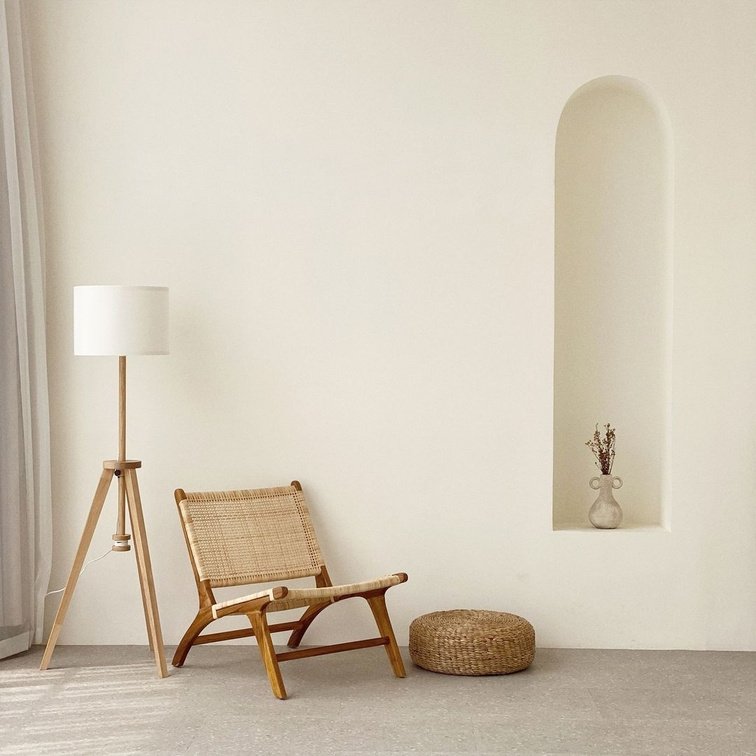
This is the most underused upgrade in Indian homes. The standard white tube light flattens everything in a room. Replacing it with a warm pendant lamp or a floor lamp in one corner changes the mood completely, especially in the evenings.
You don’t have to rewire anything. A good floor lamp with a warm bulb costs between 1,200 and 2,500 rupees and does more than ten expensive cushions would.
- Add One Statement Plant
Not a collection of plants. One.
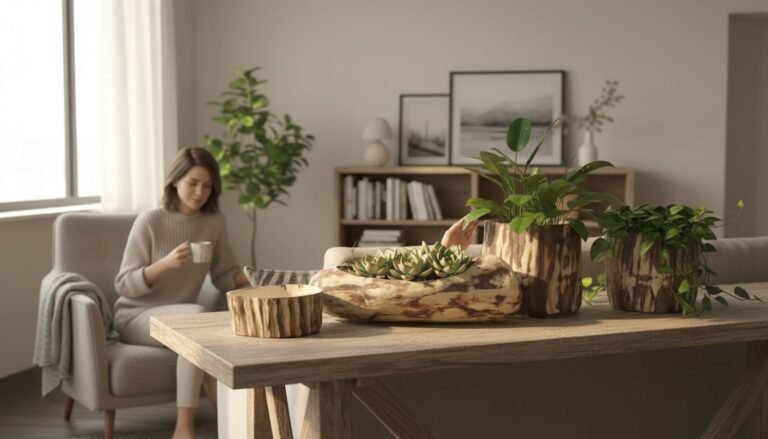
A large money plant in a tall pot, a snake plant in a corner, or a peace lily on the windowsill. One plant, placed right, looks deliberate. A shelf crowded with five different small plants in mismatched pots looks like a side project that got out of hand.
- Change Your Cushion Covers, Not Your Cushions
Cushion inserts last year. Covers don’t have to. Two sets of covers, one for weekdays and one you bring out when someone visits, cost less than a single new cushion and give you far more variety.
Block print covers, jute covers, and cotton covers in earthy tones work across most Indian sofas regardless of colour.
- Use Trays to Organise What’s Already on Your Surfaces
A wooden tray on a coffee table holding your remote, a small candle, and a coaster looks stylish. The same three objects sitting loose on a table look like clutter.
The tray doesn’t change what’s there. It changes the story the space tells.
- Put Something on Your Blank Hallway Wall
Most Indian homes have a hallway that gets ignored. It’s the first thing you see when you walk in, and it’s usually just paint and a switchboard.
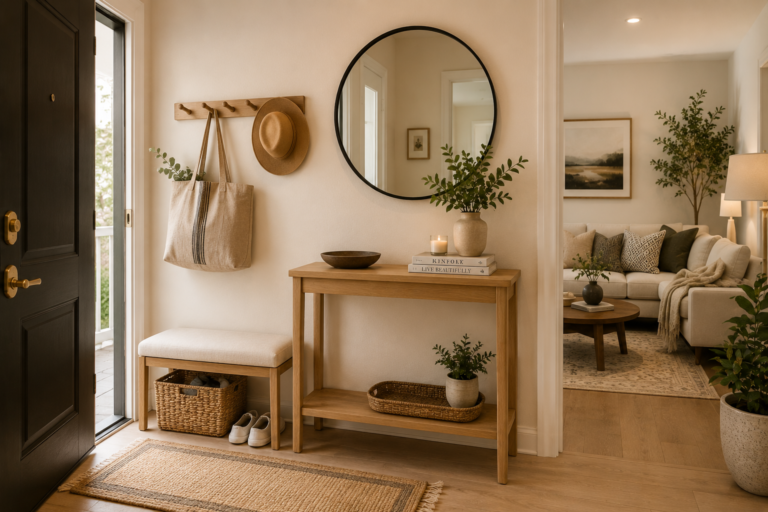
A single large round mirror, a small wall shelf with one decorative item, or even a framed calendar print gives the entrance a purpose. It takes fifteen minutes to put up and costs under 500 rupees if you shop right.
What to Skip (For Now)
Some popular decor items consistently underperform in Indian homes.
Macrame wall hangings look better in photos than in real life, especially in humid cities where they absorb odours and collect dust within three months.
Fairy lights draped on walls work in hostels. In a family home, they read as incomplete. If you want warm lighting, invest in a proper lamp instead.
Miniature figurines and showpieces in excess are the fastest way to make a room feel busy. One or two meaningful pieces are fine. A shelf with fourteen small items is a dusting problem that also looks cluttered.
How to Build the Look Without a Budget Spike?
The approach that works: one room, one change per month.
Start with the wall. Next month, sort the lighting. The month after, address the surfaces. Small changes that compound over six months do more than one large purchase that exhausts the budget and leaves everything else untouched.
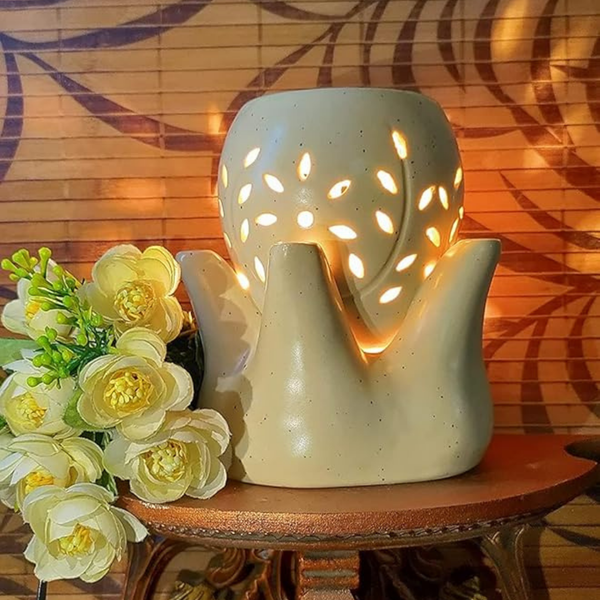
Most of the ideas on this list sit between 300 and 2,500 rupees. None of them requires hiring anyone. All of them are reversible if your taste changes next year, which it will, because that’s just how taste works.
The Part Nobody Mentions
The homes that always look good have one thing in common: they aren’t trying to look like someone else’s home.
The best version of your space uses what fits your light, your wall colours, your furniture shapes, and your actual daily life. The goal isn’t to replicate a showroom. It’s to make a place that looks cared for and feels easy to be in.
That’s cheaper to achieve than most decor content will tell you. It’s also more satisfying.
Browse the full collection of affordable home decor at Little Decor Things.
Related guides
- How to Mix Patterns Without It Looking Like a Mess
- How to Style a Bookshelf, Shelf by Shelf
- Kids Room Decor India: Study, Play and Sleep
- Midimalism: The Middle Ground Between Bare and Busy
Browse home decor to shop the pieces mentioned here.