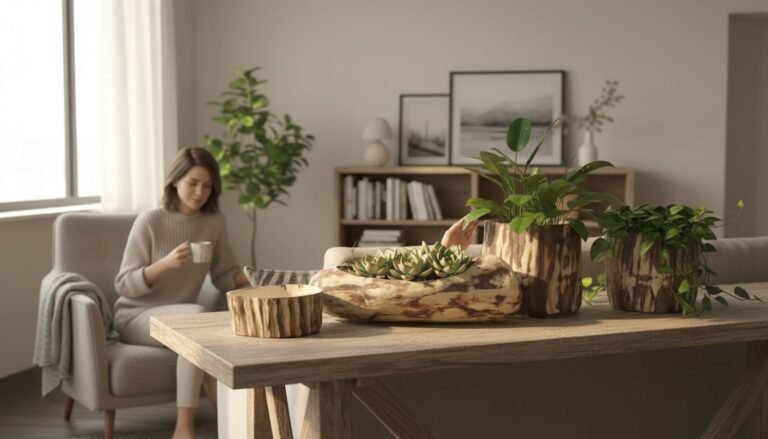
Most people redesigning a room start in the wrong place. They move furniture around, repaint a wall, and buy a new rug. Sometimes that helps. Often, the room still feels like something is missing, and they cannot name what it is.
What is missing is rarely another large piece of furniture. It is the smaller layer. The things sitting on the shelf, the object on the coffee table, the corner that has nothing in it but could hold one considered thing. That layer, the finishing layer, is where a room either comes together or falls flat.
This is not interior design theory. Walk into any home that feels well put-together and look at what is doing the work. A cluster of three pots near the window. A tray on the ottoman that corrals the remotes and a small candle. A piece of wall art that is not a canvas print from a mall. The furniture might be completely ordinary. The small things rarely are.
Why Indians Tend to Skip This Layer Entirely
There is a practical reason for this. Indian households, particularly in cities, spend their budget on the things that feel non-negotiable first: the sofa set, the bed, the dining table, the TV unit. By the time that shopping is done, the budget is often exhausted, and the smaller items get deferred indefinitely.
The other reason is that decorating with smaller objects feels less certain. A sofa is a sofa. You measure it, it fits, done. But a shelf that needs styling? A console table that should hold something, but you are not sure what. That kind of curation feels like it requires taste you might not have. So the shelf stays empty.
Neither the budget issue nor the taste issue is as fixed as it feels. Good decorative accents in India are far more accessible than they were ten years ago, and the rules of arranging them are learnable. The taste is just knowledge you have not picked up yet.
The Rule of Odd Numbers and Why It Works
Before buying a single thing, understand one principle: groups of odd numbers look intentional. Groups of even numbers look like a lineup.
Two candles of identical height, side by side, look like they are waiting for something. Three candles of varying heights look like they were placed there on purpose. The same logic applies to pots, frames, and objects on a shelf. Three items in a loose triangle, with the tallest at the back and the smallest in front, is the arrangement that every well-styled shelf photograph uses. It is not accidental.
Vary height, vary texture, vary material. One ceramic piece, one natural element like a small plant or a woven basket, and one harder object like a brass figurine or a wooden book. That combination of soft, organic, and hard gives a group visual interest without requiring any artistic skill. It is just a contrast.
What to Buy (and What to Ignore)
The home decor market in India has exploded, which is both useful and overwhelming. Here is what makes a difference.
Cushion covers, not cushions. Indian fabric quality for cushion covers is extraordinary, and covers bought separately from the cushion inserts mean you can swap them seasonally or whenever you are bored without replacing the entire thing. Block print covers from Rajasthan, ikat from Andhra Pradesh, or simple textured linen from local brands change a sofa’s character entirely for Rs 300 to Rs 800 per cover. Brands like Little Decor Thing carry rotating seasonal ranges of these that make choosing easier if you are shopping online.
One interesting vase, not a set. Matched vase sets tend to look like a wedding gift still in its display configuration. One well-chosen vase, slightly unusual in shape or glaze, does more work. Fill it with dried pampas grass, eucalyptus branches from the local florist, or even tall dried sarkanda grass for a look that photographs beautifully and lasts months without water.
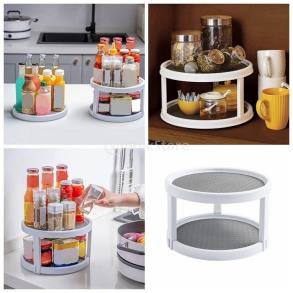
Trays as organisers. A tray on a coffee table or dining sideboard does two things simultaneously. It groups loose objects (a candle, a small plant, a coaster set) into a single visual unit, which looks deliberate rather than cluttered. And it makes cleaning easier because everything lifts as one. Wooden trays, brass trays, handwoven cane trays: all work. The material should echo something else in the room.
Wall art that is not a quote in a frame. Motivational quote prints in serif fonts have been done extensively enough that they read as the easiest possible choice. A hand-drawn botanical print, a block print on cotton canvas, a vintage map of a city you love, or a simple abstract in two colours will last longer in a room because it has more to look at. Sizes matter enormously here. One print at 24×36 inches does more for a wall than four prints at 8×10 inches that feel like they are floating.
Room by Room: The One or Two Changes That Do the Most
Living room:The coffee table is the most neglected surface in most Indian homes. It either holds the TV remote and a water bottle, or it is empty. Neither looks intentional. A tray in the centre holding a small candle, one or two books stacked flat with a small object placed on top, and a low plant in a simple pot creates a styled surface in under ten minutes. Nothing expensive, nothing permanent.
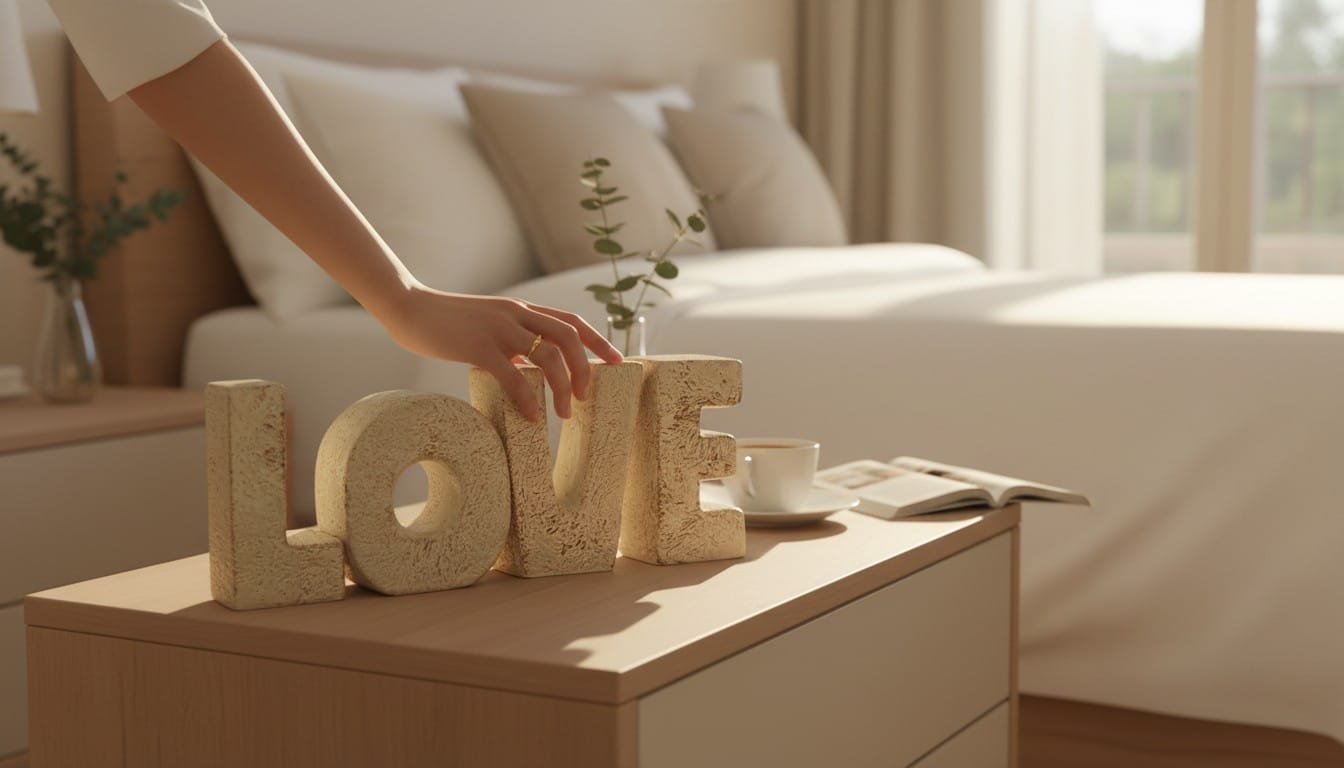
Bedroom:The bedside table, if you have one, is worth addressing before anything else in the bedroom. A lamp, a small plant or a succulent in a pot, and one personal object (a book you are reading, a small framed photograph, a simple tray for your watch or bangles) is the complete setup. More than that starts to look crowded. Less than that looks like a hotel room.
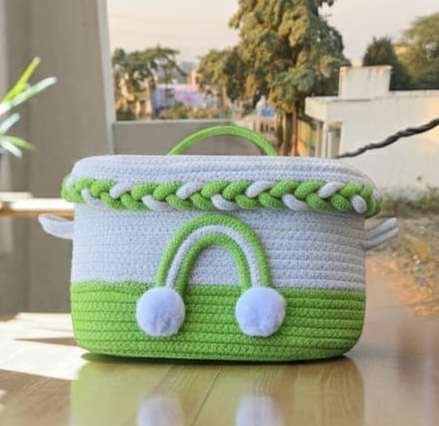
Kitchen and dining: A fruit bowl that is decorative rather than purely functional changes the mood of a kitchen counter. Ditto a small herb plant in a terracotta pot near the window. On a dining table, a low centrepiece that does not block eye contact across the table (a small vase with three stems, a cluster of tealight holders, a shallow bowl with a single large plant) makes meals feel more intentional. The dining table is one of the few surfaces in an Indian home that sees daily use by the whole family, and it is often the one that gets zero decor consideration.
Balcony:Urban Indian balconies are badly underused as design spaces. A few plants at varying heights, a small side table, one hanging plant in a macrame holder, and a weather-resistant cushion on a cane chair will turn a balcony that currently holds old newspapers and a broken exercise cycle into the most pleasant corner of the flat. Plants like money plant, areca palm, and jade work well in Indian balcony conditions and cost almost nothing at a local nursery.
Where to Find These Things in India
Local Sunday markets in most Indian cities carry a better selection of unusual small objects than most shopping apps, and the prices are harder to beat. Dilli Haat in Delhi carries craft pieces from every state. Colaba Causeway in Mumbai, Brigade Road in Bengaluru, and Laad Bazaar in Hyderabad are all worth a slow walk with no particular agenda.
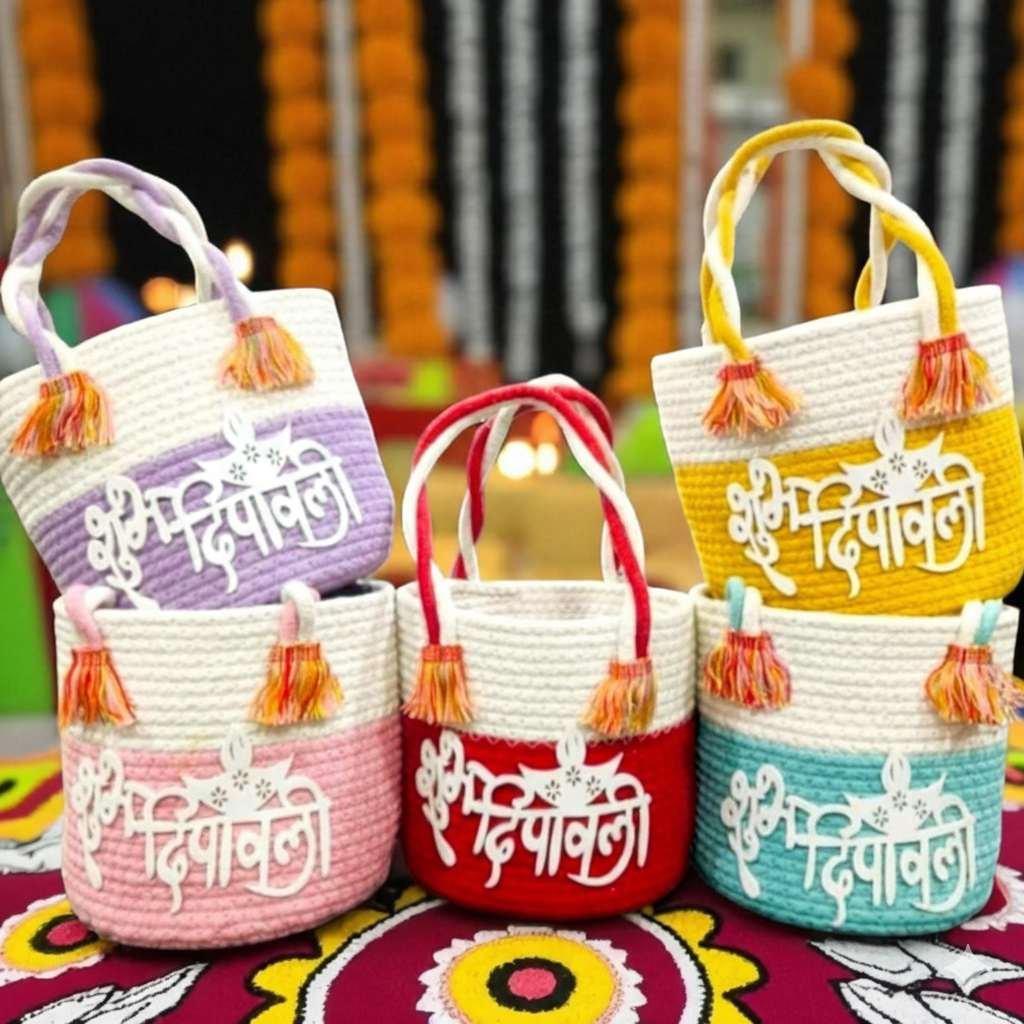
Online, the range has improved. Etsy India carries handmade pieces from independent makers. Chumbak, Elementry, and The Decor Therapy carry more curated collections if you want something edited for you. For smaller, everyday pieces like cushion covers, woven baskets, and decorative trays, Little Decor Things stocks a rotating selection of Indian craft-inspired pieces that work particularly well for mixing rather than matching, which is the direction most well-styled Indian homes are going these days.
Thrift shops and second-hand furniture stores in cities like Delhi (Sarojini Nagar), Mumbai (Chor Bazaar), and Bengaluru (Shivajinagar) regularly produce interesting objects at a fraction of retail price. A brass diya holder, a wooden box, a hand-thrown pot: these things are available in such places for Rs 50 to Rs 500 if you are willing to look.
The Clutter Trap
One warning worth giving seriously: there is a version of this that goes wrong. A room stuffed with small decorative objects is not styled; it is cluttered. The difference between clutter and curation is mostly editing.
Buy one thing at a time. Live with it. See if it is doing anything useful for the room. If a shelf starts to feel busy, take something off rather than adding something new. The goal is for the eye to land on each object and move on pleasantly, not to process an inventory.
A room with five carefully chosen small things will always look more considered than a room with twenty things that were all bought at once during a single enthusiastic shopping session. Most of us have made that mistake. The solution is not guilt; it is just editing more ruthlessly the next time.
One Shelf. This Week.
Pick one surface in your home that currently holds nothing, or holds things that ended up there by accident. Clear it completely. Then put back only three things: one tall, one medium, one small. Different textures, if you can manage it.
Stand back and look at it. That is what intentional decor feels like. Small, considered, specific. The room does not need a renovation. It often just needs someone to pay attention to the smaller layer that everything else is sitting on top of.
Related guides
- Organic Luxe Decor: How to Get the Look at Home
- Curved Furniture for the Living Room: What Works
- Curved Furniture: How to Use It Without Overdoing It
- Grandmillennial Style: How to Decorate With Pattern
Browse home decor to shop the pieces mentioned here.