Here’s a design rule that a lot of people grew up with: all your wood should match. Your floors, your furniture, your trim, everything should be the same tone, ideally pulled from a single swatch at the flooring store. If it doesn’t match, it looks accidental. Or at least, that was the thinking.
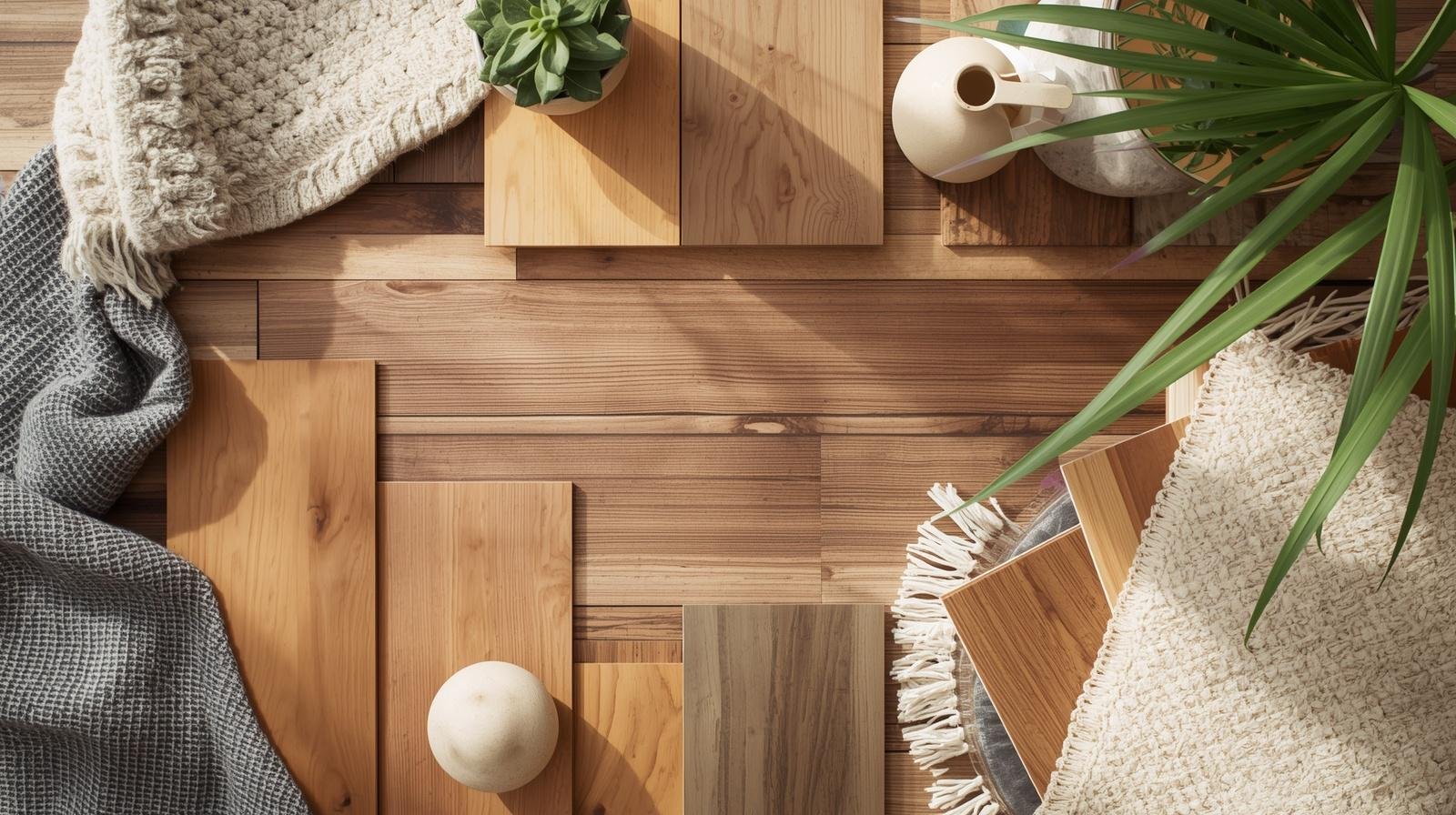
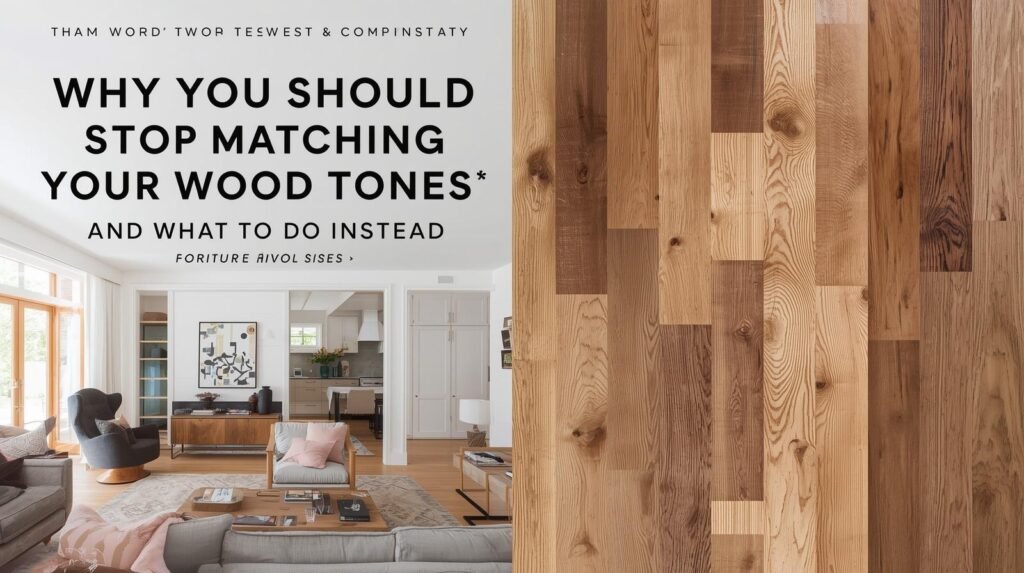
Designers have largely moved on from this idea, and in 2026, mixing wood tones isn’t just acceptable, it’s actively the goal. The look people are after is layered, warm, and collected over time, like a home that’s been thoughtfully built piece by piece rather than bought all at once from the same showroom. That requires mixing. And if you’ve been afraid to do it because you weren’t sure how, that ends now.
Why Matchy-Matchy Wood Looks Wrong
This is the counterintuitive part. You’d think that having all your wood tones match would look intentional and pulled-together. But in practice, it usually just looks flat. When every wood surface is the same color and grain, there’s no depth to the room. The eye scans over everything without landing anywhere.
There’s also a practical reality: it’s nearly impossible to match wood tones perfectly. Light oak floors from 2015 won’t be the same as light oak floors from 2026, different manufacturers, different undertones, different aging. So if you bought a light oak dining table to “match” your light oak floor and they’re slightly different? Now it looks like a mistake rather than a choice. The safer, more sophisticated path is to embrace different tones from the start and make it deliberate.
When you mix wood tones well, you get visual interest, warmth, and a sense of individuality. The room feels like it has a story.
The Basics: How Wood Tones Work
Before you start mixing, it helps to understand how wood is categorized. Broadly, wood tones fall into a few camps:
Light woods: Ash, maple, birch, blonde oak. These have a pale, sometimes almost yellow or cream base. They read as airy and Scandinavian.
Medium woods: Warm oak, cherry, teak, medium walnut. These are the workhorses, versatile, warm, and adaptable to most styles.
Dark woods: Ebony, dark walnut, mahogany, wenge. Deep, dramatic, and rich. These add weight and grounding.
The most important thing to understand about mixing tones is undertones. All wood has either a warm undertone (yellow, orange, red, golden) or a cool undertone (gray, ash, blue-green). The rule that makes mixing work: keep your undertones consistent. You can mix light ash with dark walnut as long as both lean warm. Where mixing gets messy is when you combine warm and cool undertones, then instead of layered depth, you get visual tension.
The “Rule of Threes” for Mixing Wood
Interior designers who specialize in layered interiors often use what’s called the rule of threes: stick to no more than three distinct wood tones in any one space. Two can work, four starts to feel chaotic.
Within those three tones, use them in this distribution:
- One dominant tone (60 to 70%): Usually the floor, or the largest piece of furniture. This is the anchor.
- One secondary tone (20 to 30%): A major furniture piece, the dining table, the sofa frame, a cabinet.
- One accent tone (10 to 15%): Small pieces, accessories, a lamp base, a decorative bowl, a side table.
This structure gives you variety while keeping the room from feeling random. The dominant tone grounds everything, the secondary adds interest, and the accent is the detail that makes it feel intentional.
Real-World Examples of Wood Mixing That Works
Let’s make this concrete.
Light oak floors + dark walnut dining table + medium ash chairs. The floor anchors the room in a pale, airy blonde. The dark walnut table creates dramatic contrast. The ash chairs bridge the two without being matchy to either. Result: warm, layered, contemporary.
Medium oak floors + bleached white oak entertainment unit + walnut coffee table accents. The floors are the dominant tone. The entertainment unit goes lighter for contrast. The walnut accents (a tray, a small side table, some picture frames) bring in a third dimension. Result: calm, collected, easy.
Dark walnut hardwood floors + light oak floating shelves + medium cherry side tables. Here the floor is the heaviest and darkest element; the shelves go dramatically lighter to prevent the room from feeling oppressive. The cherry side tables split the difference. Result: bold and rich, with visual breathing room.

What to Do When You’ve Already Got “Mismatched” Wood
Maybe you didn’t plan this, you have floors from one era, furniture from another, and it looks accidental. Here’s how to bring cohesion to a room that feels scattered.
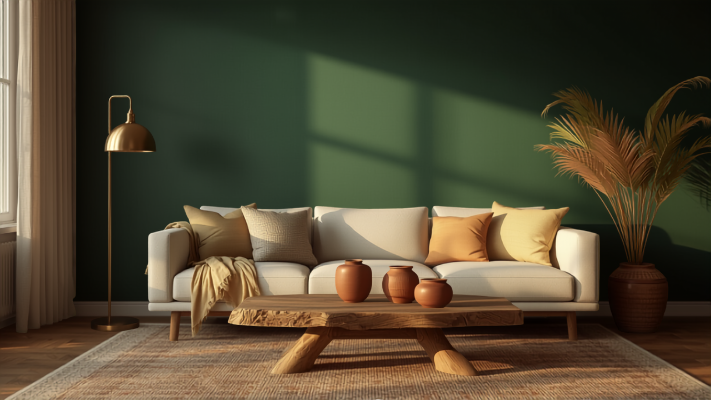
Add a rug. A rug between the floor and your furniture acts as a buffer. It covers some of the floor and creates a visual break. Suddenly your floor and your furniture aren’t competing, the rug is mediating between them.
Repeat each tone at least twice. If you have one dark walnut piece and it’s floating in a sea of lighter tones, it looks like a mistake. Bring in another dark walnut piece, even a small one, like a lamp base or a picture frame, and it starts to look intentional.
Use textiles to tie tones together. A throw pillow in a warm brown that pulls from your darkest wood, combined with curtains in a natural linen that echoes your lightest wood, these textiles work like a visual glue, repeating the colors in a different material and creating a cohesive palette.
Adjust with wood stains or oil. If one piece is close to matching something else but not quite, sometimes a wood wax or tinted oil can nudge the tone slightly warmer or cooler. It’s not always possible depending on the finish, but it’s worth trying before replacing a piece you otherwise love.
The Pieces That Are Worth Investing In
If you’re building a room from scratch and want to incorporate mixed wood tones intentionally, here’s where to put your money:
Floors first. Your flooring tone sets the stage for everything else. Choose it thoughtfully, and everything downstream becomes easier to work around. Right now, medium warm oak and rich brunette walnut are the dominant preferences among designers, both are versatile as foundation tones.
A statement dining table. If your floor is medium tone, consider a dining table that’s either noticeably lighter or noticeably darker. This is one area where contrast earns its keep.
Shelving and storage. Open shelving and bookcase units in a different tone from your furniture pieces add that layered “collected over time” feel efficiently, since they’re spread across a wall rather than concentrated in one spot.
Why This Trend Isn’t Going Anywhere
Mixed wood tones resonate because they reflect how real homes are built, not in a single shopping trip, but gradually, as you find pieces you love. A home that looks like everything was purchased in the same place at the same time can feel less like a lived-in space and more like a display. Mixing tones gives rooms a sense of history and personality that’s hard to manufacture any other way.
The goal is warmth and authenticity, and the beauty of this trend is that it almost rewards imperfection. That dining table that doesn’t quite match your floors? Maybe it’s not a problem. Maybe it’s exactly what your room needs.
For more inspiration on building a cohesive room, visit our home decor guides and our furniture buying tips. You might also find our guide to warm neutral color palettes useful when planning your wood tone mix.
Related guides
- Natural Wood Home Decor for Indian Homes
- Mixing Metals in Decor: Brass, Black and Chrome
- Ceramic Pots for Plants: Indian Buying Guide
- Eco Friendly Home Decor India: 9 Material Swaps
Browse home decor to shop the pieces mentioned here.